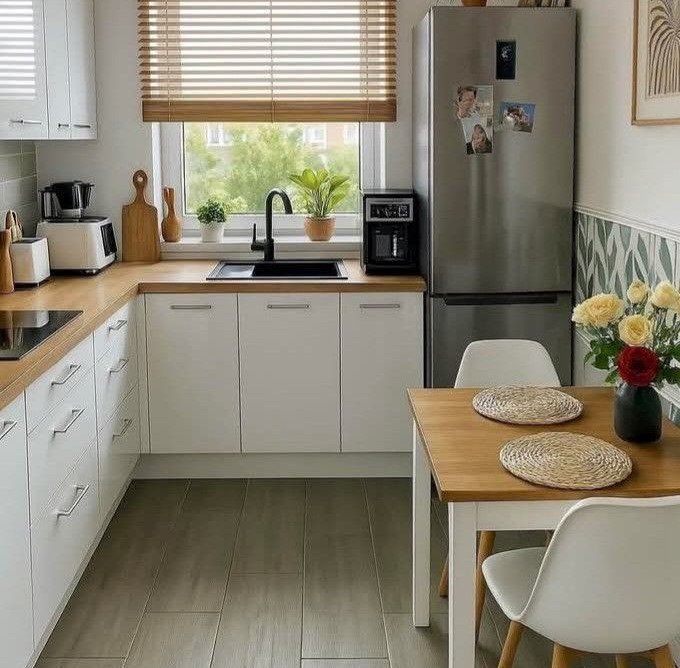
How Technology Changed Our Interaction with the Kitchen
The kitchen is no longer just a cooking space—it’s become a center for daily life, family
interaction, and even work sometimes. Modern research in functional space design
indicates kitchen evolution reflects our changing relationship with food, time, and comfort.
The modern kitchen isn’t measured just by appliance count or shape, but by how it
facilitates movement and reduces mental and physical effort. The concept of “ease of use”
has become essential in modern design, derived from ergonomics studies focusing on
minimizing unnecessary movements.
Good kitchen layout relies on understanding movement paths. Studies show reducing steps
between storage, preparation, and cooking areas increases efficiency and reduces fatigue.
That’s why modern kitchens use smart storage solutions making everything accessible
without visual clutter.
Kitchen lighting isn’t just general illumination. Research indicates task lighting over work
surfaces reduces errors, improves focus, and makes cooking safer. Combining functional
and aesthetic lighting creates balance between utility and form.
Even kitchen colors have behavioral impact. Light colors enhance cleanliness perception,
while warm colors may increase appetite and comfort. Therefore, modern kitchens rely on
thoughtfully curated color palettes, often blending neutrals with simple accent colors.
Transforming from a simple kitchen to a modern one doesn’t mean changing
everything—it’s rethinking your relationship with the space and how design can serve your
daily life with smoothness and intelligence.