Smart Changes Instead of Expensive Overhauls
Home refreshing doesn’t necessarily mean replacing everything. Environmental
psychology research indicates thoughtful partial changes may have greater impact
than complete overhauls, as the brain responds strongly to clear differences within
familiar contexts.
One key principle of smart refreshing is focusing on high-impact elements. Lighting,
for example, dramatically changes space feeling without high cost. Adjusting light
temperature or adding side lighting can completely redefine a room.
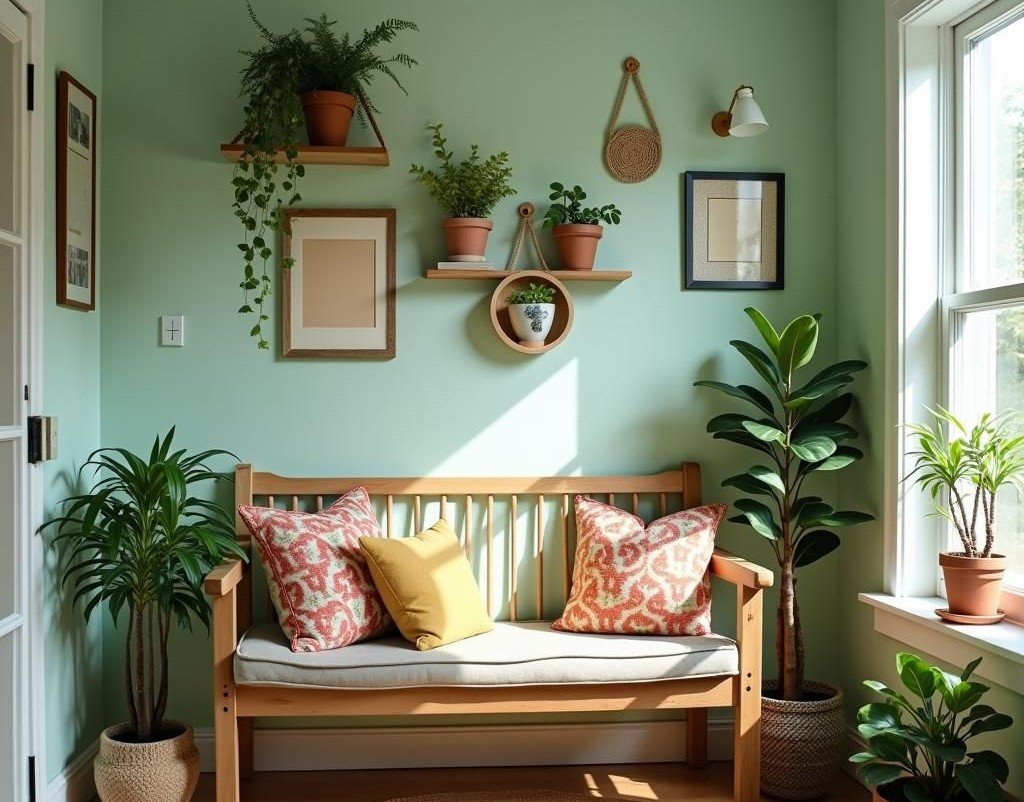
Colors also play fundamental role. Repainting one wall with different color creates
visual focal point breaking monotony. Studies show the brain interprets this change
as more significant than it actually is, especially when the color harmonizes with the
rest of the space.
Rearranging furniture is among simplest and most effective methods. Changing
seating direction or opening new movement path improves energy flow within the
space. This concept aligns with spatial organization theories confirming easy
movement enhances comfort feelings.
Even small accessories have cumulative impact. Replacing pillows, curtains, or
decor pieces gives refreshing feeling without long-term commitment. Research
indicates reversible changes reduce anxiety associated with permanent decisions.
Low-cost refreshing doesn’t mean temporary solutions, but flexible ones. When
change is developable, people feel control over the space—a key psychological
factor in satisfaction.