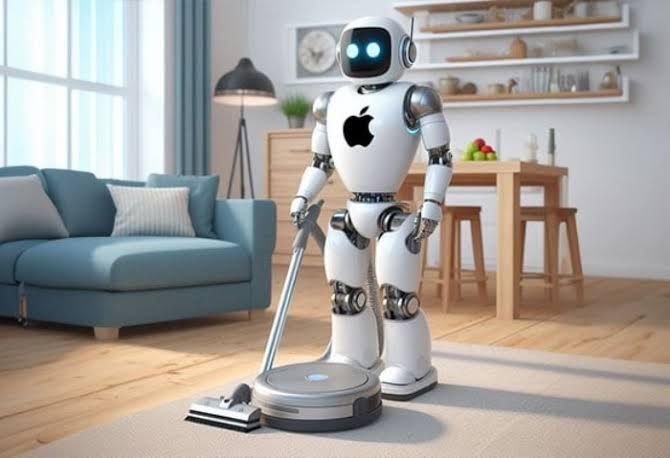
? How Technology Changed Our Relationship with Time and Effort at Home
Cleaning robots didn’t emerge just as a tech solution for household chores—they
resulted from long evolution in understanding the human relationship with time and
daily effort. In the past, cleaning was seen as inseparable from home routine, but
modern behavioral studies show low-mental-value repetitive tasks cause the most
invisible fatigue in homes.
Humans don’t tire only from physical effort, but from repetition. Cognitive psychology
research confirms daily task repetition without variety raises stress levels even if
physical demand is low. Cleaning robots emerged as direct response to this fatigue
type.
Cleaning robots are smart devices designed for independent floor cleaning, relying
on sensors, digital maps, and advanced motion algorithms. At their core, they’re not
just “smart vacuums,” but systems that learn from spaces and interact with them
over time.
Modern versions use cognitive spatial mapping. These maps, created via multiple
sensors, enable robots to understand room dimensions, furniture locations, and safe
paths. Residential robotics studies show this spatial understanding reduces errors
and boosts cleaning efficiency compared to old random movement.
Remarkably, cleaning robot evolution wasn’t just technical, but behavioral. Research
indicates users feel greater psychological comfort toward their homes, even if
cleaning isn’t “perfect.” Automated systems reduce guilt or pressure from task
buildup.
From environmental psychology perspective, regular—even light—cleanliness
affects control and organization feelings. Clean spaces reduce visual clutter,
reflecting on mental clarity. Cleaning robots contribute by maintaining steady
cleanliness without constant human intervention.
Smart routines have profound impact too. Scheduling robots for specific times
makes cleanliness feel “handled,” not pending. Behavioral studies confirm removing
tasks from daily mental lists frees significant cognitive energy for more important
matters.
The latest evolution integrates with smart home systems. Robots no longer operate
in isolation—they’re part of larger ecosystems, interacting with lighting, security, or
occupancy schedules. This reflects new design trend: context-aware devices, not
just command-followers.
Despite these benefits, studies warn against unrealistic expectations. Cleaning
robots aren’t full deep-clean replacements, but partners in daily maintenance. This
philosophy yields greater satisfaction and prevents frustration from overexpectation.
Socially, some research shows cleaning robots shifted home role distribution.
Reducing daily cleaning burden creates space for family interaction, rest, or work-
from-home without constant chore shortfall feelings.
Even design evolved for real life. Modern robots are quieter, visually discreet, and
better at daily obstacles like rugs, corners, or small gaps. This reflects deeper
understanding of actual home living.
Ultimately, cleaning robots aren’t just tech evolution—they’re evolution in home
comfort concept. They’re an effort to redistribute household effort so repetitive tasks
don’t drain human time and mental energy. Used mindfully, they transform from
.smart devices to genuine enhancers of daily quality of life