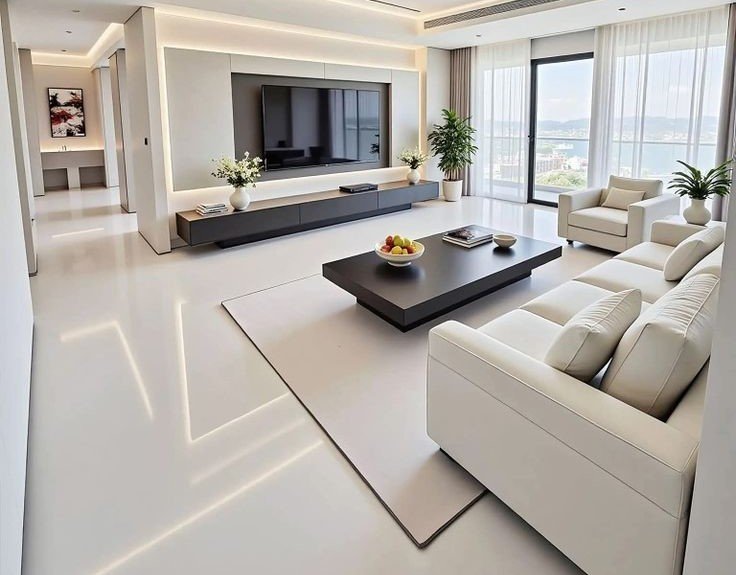
? How Forgotten Spaces Transform into Aesthetic and Functional Elements
The empty corner in a home may seem like a minor detail, but it actually represents a
missed design opportunity. Interior design studies indicate unused spaces affect the overall
sense of incompleteness, even if people don’t consciously notice the reason.
The human mind naturally seeks balance. When it sees an unutilized corner, it senses
visual or functional deficiency. Spatial perception research confirms visually complete
spaces provide comfort and organization feelings.
But utilizing a corner doesn’t mean filling it randomly. Smart design starts by understanding
the corner’s nature: Is it near light? Does it lie in movement paths? Can it be seen from
multiple angles? Answering these determines the right element.
Plants rank among the most effective solutions research proves for empty corners. A living
element adds beauty, improves air quality, and reduces stress. Environmental psychology
confirms plants create nature connection feelings even in enclosed spaces.
Vertical shelving offers another thoughtful solution. It uses no floor space while creating
visual focal points. Research shows vertical elements enhance height perception, making
spaces feel wider and more open.
Lighting plays a pivotal role in transforming forgotten corners into focal points. A floor lamp
or hidden lighting can completely change corner perception. Here, light serves not just
visibility, but creates mood adding depth to the space.
Even very small corners can gain function. A simple reading chair, side table, or artwork
display area. Small-space usage studies indicate these details significantly elevate overall
home quality perception.
Colors serve as effective tools too. Using a slightly different color in the corner gives it
personality without isolating it from the rest. Color theory explains deliberate contrast
attracts attention and breaks visual monotony.
Psychologically, utilizing corners enhances space control feelings. Homes without
neglected areas make residents feel organized and efficient, reflecting in daily mental
comfort.
Ultimately, the empty corner isn’t a problem—it’s an invitation to think. With conscious
touch, it transforms into an element adding real value to the home, whether aesthetic,
psychological, or functional.