How to Create Real Aesthetic Value Without Excessive
Spending?
The idea that beauty ties to high spending ranks among most marketing-entrenched
concepts, not scientifically proven ones. Behavioral economics studies show
humans often link high price to quality, even in fields not actually cost-dependent like
interior design. But modern research proves aesthetic value builds through choice,
not expenditure.
The artistic touch isn’t material element so much as conscious decision. It’s how you
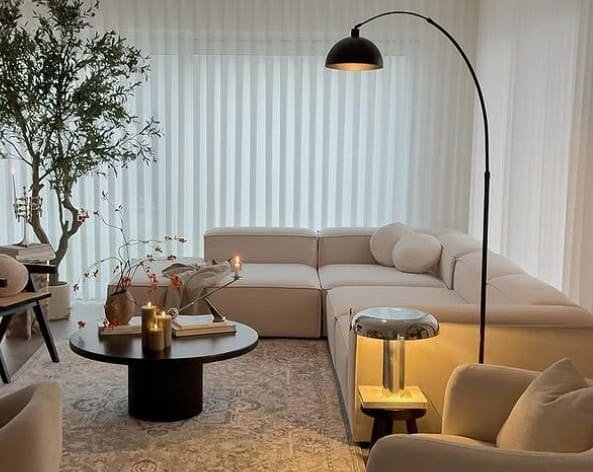
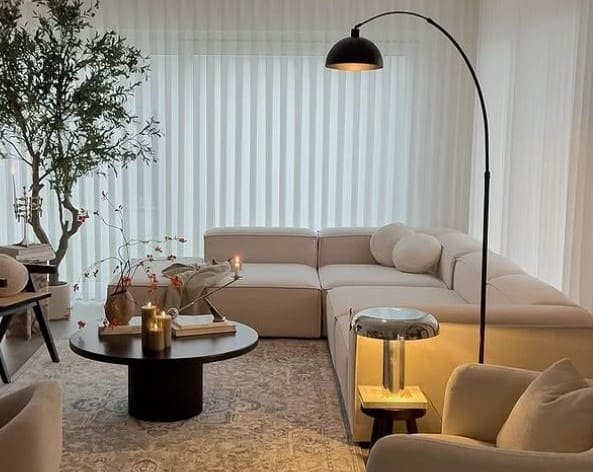
employ space, light, color, and simple elements to create integrated feeling.
Perceptual aesthetics science explains the human eye seeks balance and harmony
more than apparent luxury.
One key principle contemporary design schools rely on is controlling small details.
One piece placed thoughtfully may create greater visual impact than room filled with
expensive elements. Visual perception studies confirm the mind focuses on focal
points more than quantity.
Art doesn’t mean paintings alone. Art can lie in book arrangement, material choice,
or deliberate emptiness. Thoughtful void, per architectural research, gives eyes
breathing room and increases surrounding elements’ value.
Lighting plays the silent artist role. Light transforms ordinary elements into focal
points. Theatrical lighting studies prove changing light angle and intensity alters our
value perception without changing the object itself.
Even simple mistakes can become artistic touches if handled consciously. Modern
design doesn’t seek perfection, but authenticity. Aesthetic psychology research
indicates spaces with human, imperfect character make users feel greater comfort.
Ultimately, the artistic touch isn’t bought—it’s acquired. It’s product of awareness,
experience, and experimentation. The more you trust your taste, the greater your
home’s value without spending more.