
Design Principles Science Proved Before They Became Trends
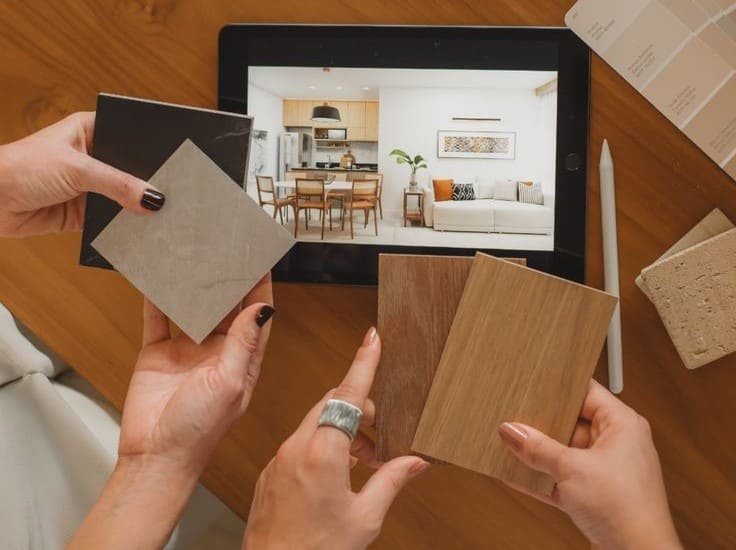
When examining top designers’ work worldwide, we might think taste alone unites
them. But analytical studies of their portfolios reveal shared principles rooted in
scientific understanding of human behavior within spaces.
One most repeated principle is function before form. Functional design research
confirms spaces built on real usage visually endure longer than trend-dependent
ones.
Many global designers rely on visual gradation over harsh contrast. This gradation,
as perception studies show, reduces eye strain and creates calm, continuous space
feelings.
Another principle is respecting natural light. Environmental studies confirm natural
light isn’t luxury, but psychological necessity. Globally successful designers make
light integral to design, not mere addition.
Intentional simplicity ranks among core principles too. Not poverty simplicity, but
choice simplicity. Research indicates reducing space options makes humans more
comfortable and less stressed.
Colors get used cautiously. World-class designers avoid random boldness, relying
on psychological color understanding. For them, color serves as impact tool, not
showpiece.
Even imperfect symmetry proves deliberate. Aesthetic studies prove excessive
symmetry makes spaces rigid, while flexible balance makes humans feel life
presence.
These principles aren’t secrets, but long research results. The difference:
professional designers apply them consciously, while anyone can learn and
implement them in their home.
