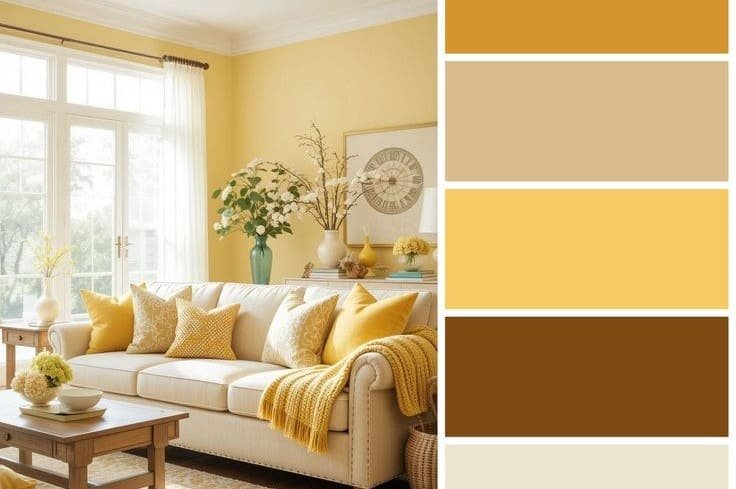
Why Do Some Homes Feel Enveloping While Others Don’t?
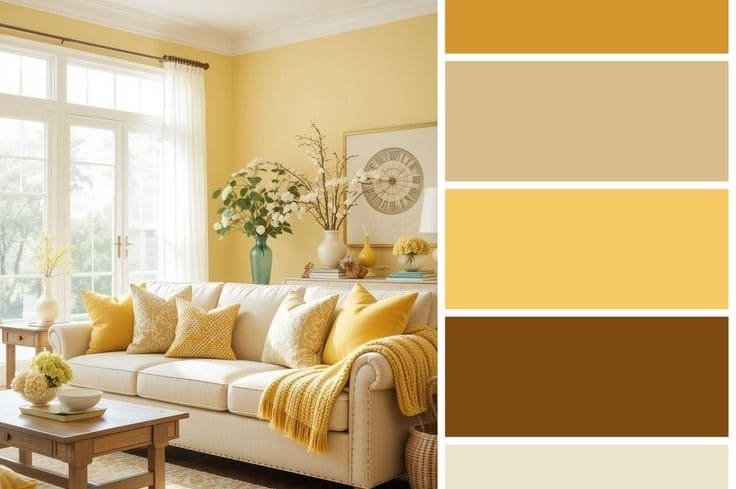
Warmth in the home isn’t just temperature, but deep psychological feeling. Color
psychology explains colors play essential role creating this sensation, even in simple or
modern designs.
The human brain links colors to past experiences. Warm colors like beige, creamy, and light
brown connect in memory to wood, natural light, and fire—elements historically tied to
safety. Thus, these colors get psychologically interpreted as comforting and reassuring.
Studies show medium saturation colors create warmth more effectively than bright ones.
Strong color may attract initially, but proves exhausting for daily living. Balance here proves
key.
Color doesn’t work alone. Lighting completely alters its perception. Warm color under cool
lighting may lose effect, and vice versa. Research thus confirms color-light harmony as
essential condition for desired sensation.
Using nature-inspired natural shades holds proven psychological impact. Biophilic design
studies indicate colors close to nature elements reduce stress and improve overall mood.
Warmth doesn’t mean darkness. Many believe dark colors as only warmth path, but
research shows true warmth comes from balance between light and dark, light and shadow.
Even modern spaces can feel warm if colors managed smartly. Adding warm touch in
fabrics, lighting, or walls can break design coldness without losing modern character.
Color also affects home relationships. Social studies indicate warm-colored environments
enhance interaction and belonging feelings, making homes psychological comfort places,
not just living spaces.
Ultimately, home warmth isn’t specific color, but integrated feeling. When colors chosen with
psychological awareness, home transforms into true sanctuary reflecting comfort and
envelopment.