How does your storage method affect your sense of comfort in the
kitchen?
The kitchen is one of the most psychologically sensitive spaces in the home, tied to daily
activity, constant movement, and repeated decision-making. Studies in environmental
psychology show that clutter in the kitchen raises stress levels more than in any other room,
especially in small spaces.
The problem in tight kitchens isn’t just a lack of space—it’s how that space is used. The
human mind doesn’t perceive space as it is, but as it appears. Poor storage creates a
feeling of crowding, even if the space is practically sufficient.
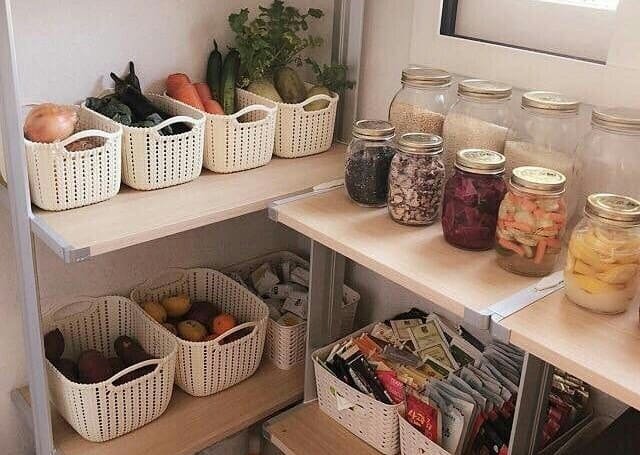
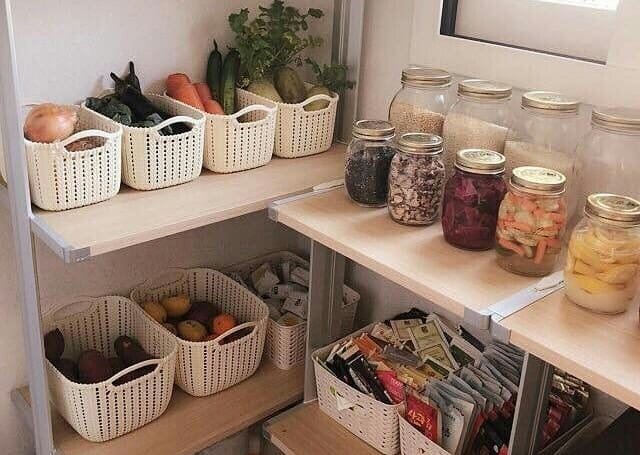
The first principle of unconventional storage solutions is vertical thinking. Walls are often
overlooked, yet they offer huge storage potential. Spatial perception studies confirm that
using heights reduces visual pressure on the floor, making the space feel more expansive.
Open shelves, when used mindfully, aren’t as chaotic as some believe. Research indicates
they reduce the sense of enclosure and make daily tools easier to access. Their success
depends on organization and conscious selection of what to display.
Deep, multi-level drawers rank among the most effective storage solutions. Behavioral
studies show that storage allowing contents to be seen at once reduces mental effort during
cooking, smoothing the experience.
Corners in tight kitchens are often wasted spaces. Smart solutions like rotating drawers or
sliding systems exploit these areas without creating visual clutter. Research suggests
utilizing corners reduces the sense of spatial loss.
Hidden storage plays a key psychological role. When tools vanish behind simple fronts, the
mind feels calm. Neuroscientific studies explain that fewer visible items lighten cognitive
load, even if the tools themselves remain present.
Colors and lighting directly impact storage effectiveness. Dark storage in a small kitchen
can feel heavy, while light colors paired with good lighting enhance the sense of openness.
This is backed by visual perception studies.
Smart storage doesn’t mean over-storage. Consumer behavior research indicates that
excessive storage encourages unnecessary hoarding, indirectly bringing back clutter. The
solution is storing only what’s actually used.
Even smart tools improve storage. Multi-functional appliances reduce the need for extra
space. Recent studies show these solutions boost satisfaction with small kitchens.
In the end, unconventional storage solutions aren’t just about fitting tools—they aim to
create a comfortable daily experience. When everything is in its right place, the tight kitchen
transforms from a cramped area into a practical, supportive environment for everyday life.