Psychological and scientific answers to what confuses
homeowners most
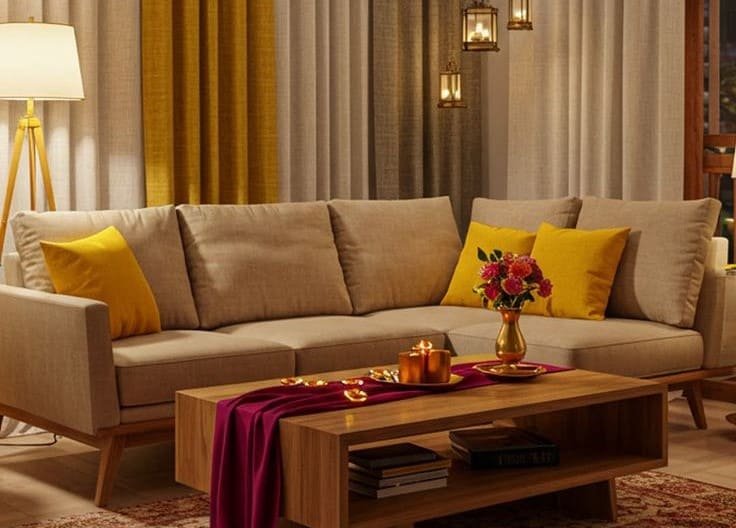
Lighting and colors spark the most questions in design because they directly shape our
sense of space, yet their effects aren’t always predictable. Perception studies confirm that
light-color interactions are complex, relying on both psychological and visual factors.
One of the most common questions: Are light colors always better?
Research shows light colors visually expand space, but they can create feelings of
coldness or emptiness without balance. The right color serves the room’s function and
reflects the residents’ personality.
Another recurring question: Is strong lighting better than dim?
The scientific answer: No. The brain needs lighting gradients. Constant bright light keeps
the nervous system in perpetual activity, while dim light in the wrong place reduces focus.
Balance is essential.
Can you mix multiple color shades in one room?
Yes—in fact, it’s recommended. Studies indicate the brain prefers limited, graduated color
schemes. Mixing shades from the same color family adds depth without overwhelming.
Does lighting change wall colors?
Scientifically, yes. Color is read through reflected light. That’s why a color might look
different in the morning versus evening. Applied research always recommends testing
colors under the room’s actual lighting.
A common question: Are dark colors unsuitable for small spaces?
Not an absolute rule. Studies show dark colors can create a sense of enclosure when used
smartly with good lighting. The issue isn’t the color—it’s the lack of balance.
Can you rely on smart lighting?
Recent user experience research confirms smart lighting boosts psychological comfort by
allowing control based on time and mood. But it requires good planning to avoid becoming
technical complexity.
Do colors affect sleep?
Yes. Neuroscientific studies indicate calm cool colors with dim warm lighting support sleep,
while bold colors and cold lighting hinder relaxation.
Should lighting be uniform throughout the home?
Research shows each room has different needs. Uniformity may look aesthetic but proves
psychologically impractical. Thoughtful variety works best.
In the end, most questions about lighting and colors stem from trying to simplify a complex
topic. When we understand light and color as psychological languages, we handle them
more consciously, turning the home into a supportive rather than confusing space.