How to transform organization from daily effort into a smart
system that serves you?
Kitchen organization isn’t an aesthetic luxury—it’s a functional and psychological necessity
that directly impacts daily life quality. Environmental psychology research shows
disorganized spaces raise stress unconsciously, while good organization reduces mental
strain and boosts the sense of control.
The kitchen faces clutter most due to heavy use and tool variety. The issue isn’t always
limited space, but poor distribution. Kitchen design studies clarify effective organization
relies more on user movement within the space than cabinet quantity.
One core principle in kitchen organization is dividing it into clear functional zones:
preparation area, cooking area, storage area, and cleaning area. This division, supported
by industrial design theories used in professional kitchens, minimizes excess movement
and boosts efficiency.
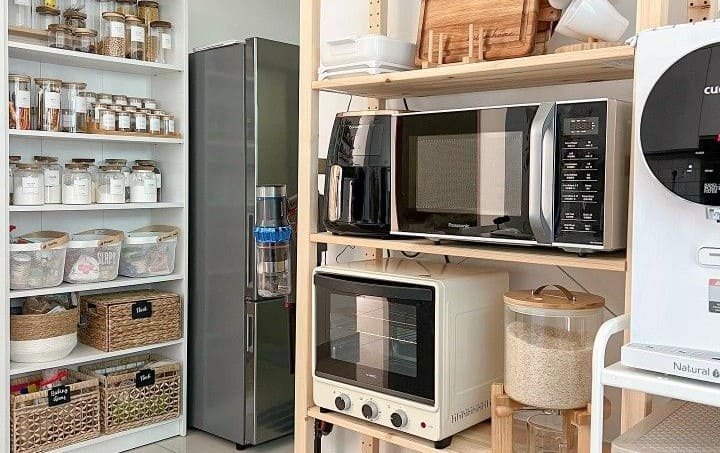
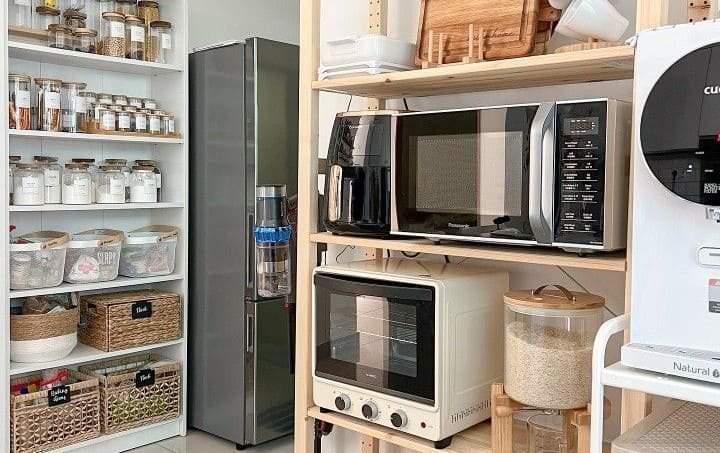
Vertical storage ranks among the most effective solutions, especially in small kitchens.
Visual research indicates wall utilization reduces floor crowding perception and makes the
space feel more expansive. Open shelves, used smartly, enable quick access and cut
internal clutter.
Organizing drawers by daily use is backed by consumer behavior studies. Most-used tools
should be within reach, while seasonal or rarely used items go higher or farther away.
Lighting is essential to organization. Good lighting inside cabinets and over work surfaces
reduces errors and eases movement. Studies show clear lighting enhances system
perception even without changing tool arrangements.
Internal organization units reduce visual waste. Smart dividers prevent piling and create a
stable system easy to maintain. Behavioral research confirms clear systems increase long-
term organization commitment.
Even colors affect the sense of order. Light colors reflect light and reveal details, helping
spot clutter quickly and address it before accumulation.
Kitchen organization isn’t a temporary goal—it’s an ongoing process based on creating a
system fitting your daily habits. When organization serves you instead of you chasing it, the
kitchen transforms into a comfortable, efficient space supporting your lifestyle.