How to choose lighting that serves both the space and the
person?
Lighting is no longer just a means of seeing—it’s an essential element affecting mood,
productivity, and the overall sense of space. Recent neuroscience and interior design
research confirms light changes our interaction with a space more than any other element.
Lighting products differ not just in form, but in function and psychological impact. General
lighting provides basic visibility, but alone it’s insufficient. Studies show relying on a single
light source creates visually flat, eye-straining environments.
Task lighting is designed to support specific activities like cooking or reading. Research
indicates directed lighting reduces visual strain and improves performance, especially for
precise tasks.
Ambient lighting adds a psychological dimension. Dim, indirect light creates comfort and
calm. Psychological studies explain this type reduces stress levels and enhances
relaxation.
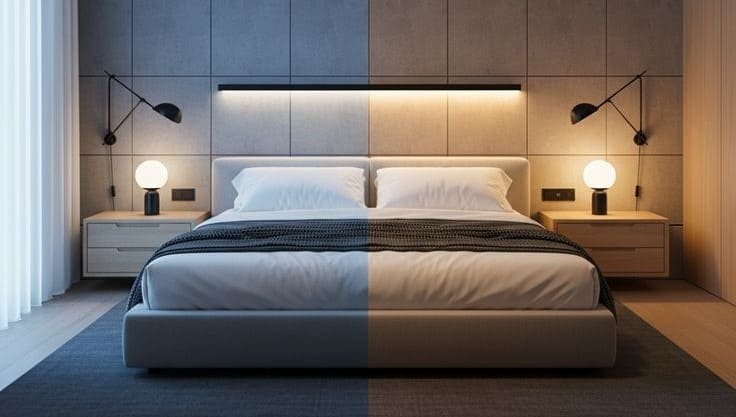
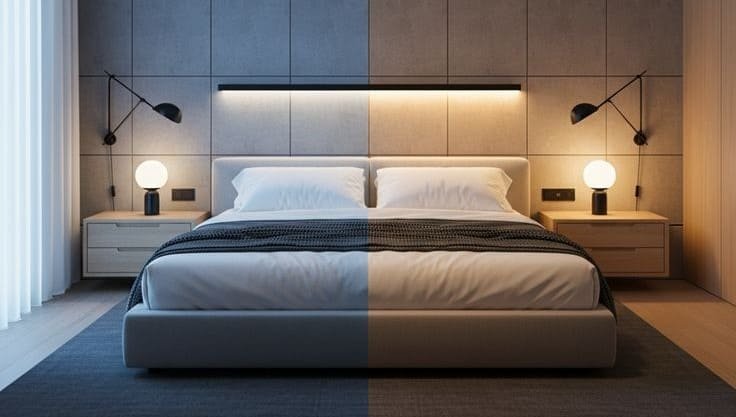
Color temperature is a core factor in choosing lighting products. Warm light suits private
spaces, while neutral or cool supports focus. Research confirms wrong color temperature
causes fatigue even with proper intensity.
Technological evolution transformed lighting concepts. Smart lighting allows control of
intensity and color based on time and activity. Studies show this adaptability improves
psychological comfort and reduces sleep disorders.
Lighting fixture design matters as much as function. Shape, size, and installation position all
affect light distribution. Design science explains an unsuitable fixture can create annoying
shadows or glare impacting the eyes.
Sustainability grows in importance. Research indicates energy-efficient lighting matches
traditional quality—and may be more eye-friendly when chosen correctly.
Choosing lighting products should be a thoughtful decision blending science and taste.
Good lighting isn’t just seen—it’s felt.