A Psychological and Behavioral Reading of Your Relationship with Your
Space
Your home isn’t just a place to live—it’s a silent mirror reflecting your
lifestyle, priorities, and even mental state. The way you arrange it,
distribute furniture, manage clutter or order—all send unspoken
messages about your daily life. Environmental and behavioral
psychology confirms that the spaces we create aren’t random; they’re
direct extensions of how we think and engage with the world.
First: Organization as a Daily Translation of Your Lifestyle
Behavioral psychology studies show that people organize their space in
alignment with:
•Their daily rhythm
•Level of busyness
•Decision-making style
A highly organized home often reflects:
•A structured lifestyle
•Desire for control over details
•High need for stability
While cluttered or inconsistently arranged homes may express:
•A fast-paced life
•Multiple roles and responsibilities
•Accumulated mental fatigue
Second: Clutter Isn’t Always Negative
Some researchers, like University of Minnesota studies, note that clutter
can sometimes link to creativity and flexibility.
It’s not about having clutter or not, but your ability to manage it.
The real difference:
•Temporary clutter from activity and life
•Chronic clutter from stress or loss of control
Third: How Different Rooms Reflect Different Aspects of Your Life?
Living room: Reflects your relationships with others and social
boundaries
Bedroom: Expresses your self-relationship, comfort, and privacy
Kitchen: Ties to your daily routine and time management
Storage areas: Reveal how you handle the past and possessions
Each space carries unique psychological meaning.
Fourth: Organization and Personal Identity
Environmental psychology affirms that people use space to build their
identity.
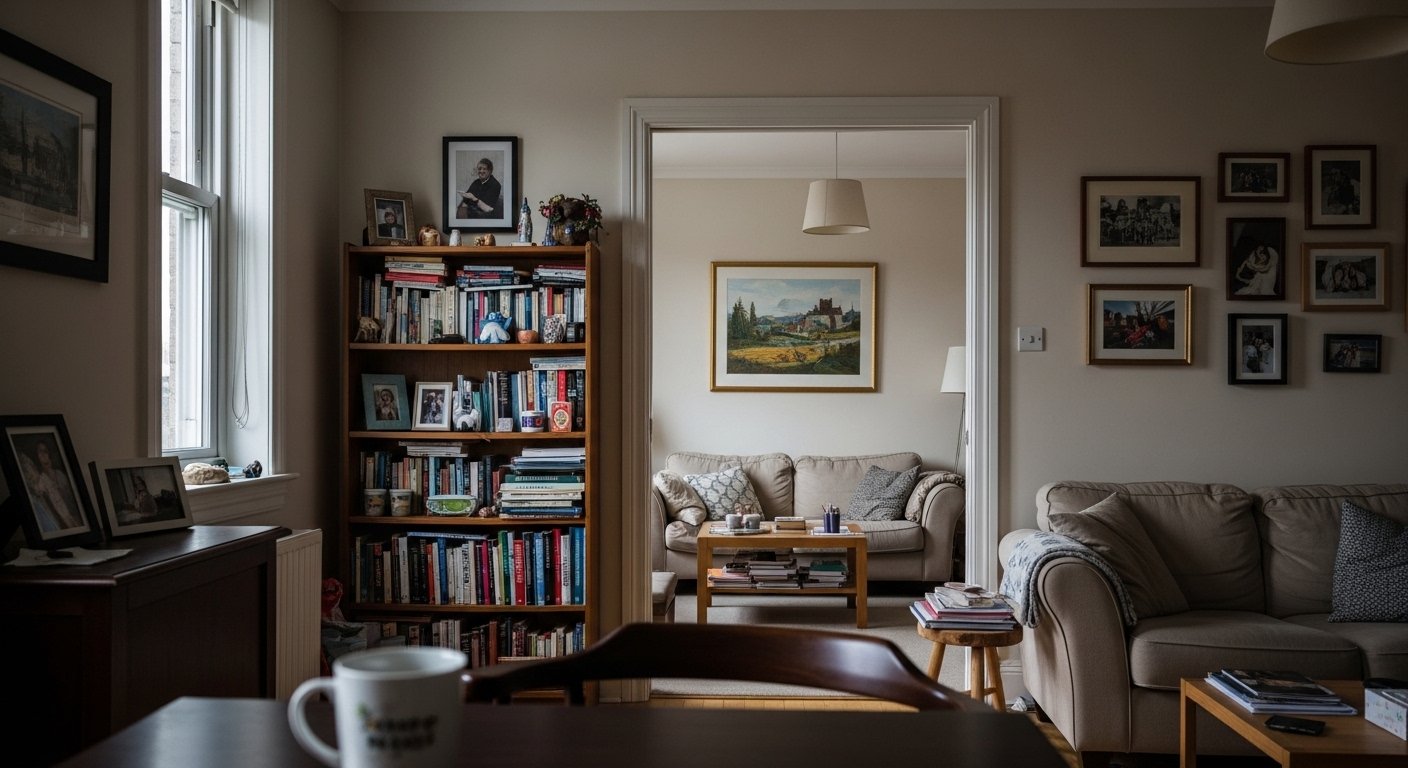
The way you display books, photos, collectibles—even color choices—all
express:
•What you value
•What you like to show
•What you prefer to hide
Fifth: Should Your Home Reflect an Ideal Lifestyle?
Decorators warn against chasing a “perfect” home that doesn’t match its
inhabitants.
A successful home isn’t the most organized—it’s the most aligned with
its owners’ lifestyle.
Your home’s organization isn’t a judgment on you—it’s a message you
can read and understand. By decoding what your home says about you,
you can adjust it to support your life, not burden it further.