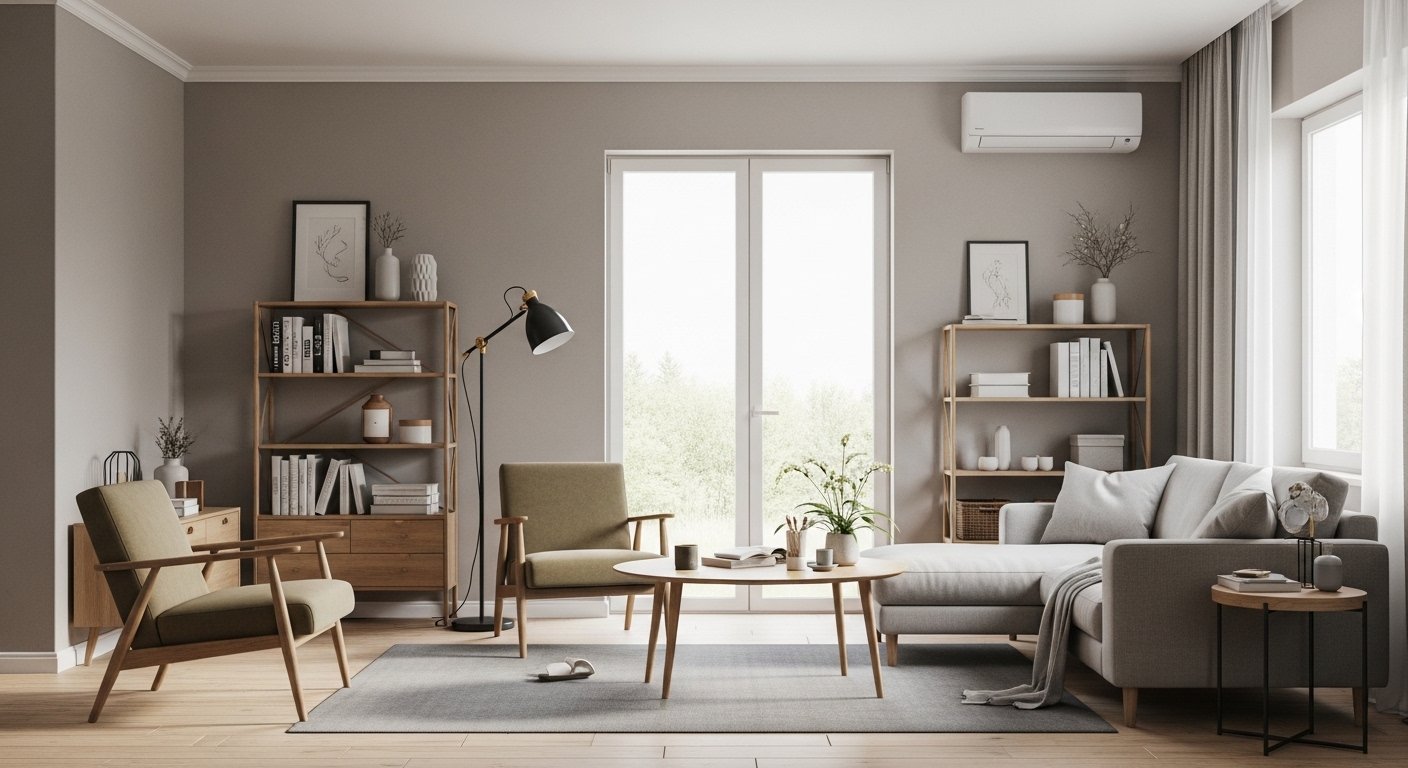
Not all home problems are visible. Sometimes the house looks “fine,” yet
it doesn’t provide comfort. This is where the invisible tipping
point emerges—the moment when a space’s psychological impact shifts
without obvious physical changes.
What Is the Tipping Point?
It’s the stage where:
•Demands of interacting with the space increase
•Its psychological benefits decrease
•The home becomes neutral or negative instead of supportive
According to Environmental Load Theory, the brain is affected by the
number of small tasks required to engage with the environment, not just
clutter.
Hidden Causes of the Tipping Point
1.Lifestyle changes without space adjustments
2.Increased responsibilities with the same layout
3.Using the same space for multiple roles without functional
separation
A Cornell University study showed that homes not evolving with
occupants’ lifestyles lead to elevated stress levels, even if aesthetically
pleasing.
Why Don’t We Notice It Immediately?
Because the change is gradual:
•One extra piece here
•A new function there
•Temporary storage becoming permanent
Until the home becomes a burden without a clear pivotal event.
Long-Term Psychological Impact
Neuroscience research indicates functionally imbalanced environments
lead to:
•Chronic mental fatigue
•Reduced overall satisfaction
•Lower-quality daily decisions
This explains the “unjustified exhaustion” felt in some homes.
How to Detect the Tipping Point?
Through simple questions:
•Does this space serve my current life?
•Do I need extra mental effort to navigate it?
•Do I feel comfortable, or just accustomed?
Honest answers reveal a lot. To help you find these answers, read our
blog articles on home corners, spaces, and their impact on your day.