How the Human Brain Interacts with Light and Why No Single
Choice Works for Everyone?
Lighting preference isn’t simple taste matter as many believe, but complex biological and
psychological response. Neuroscience research confirms light directly affects nervous
system, altering human mental and physical states without conscious awareness. Thus,
wrong home lighting may cause hidden stress, insomnia, or even daily energy drops.
The human nervous system evolved over thousands of years in environments controlled by
natural light. Light intensity tied to time: strong daylight, dim sunset, then darkness. This
natural gradation regulates biological clock, determining when we’re active versus calm.
When artificial light entered lives, this rhythm broke in many homes.
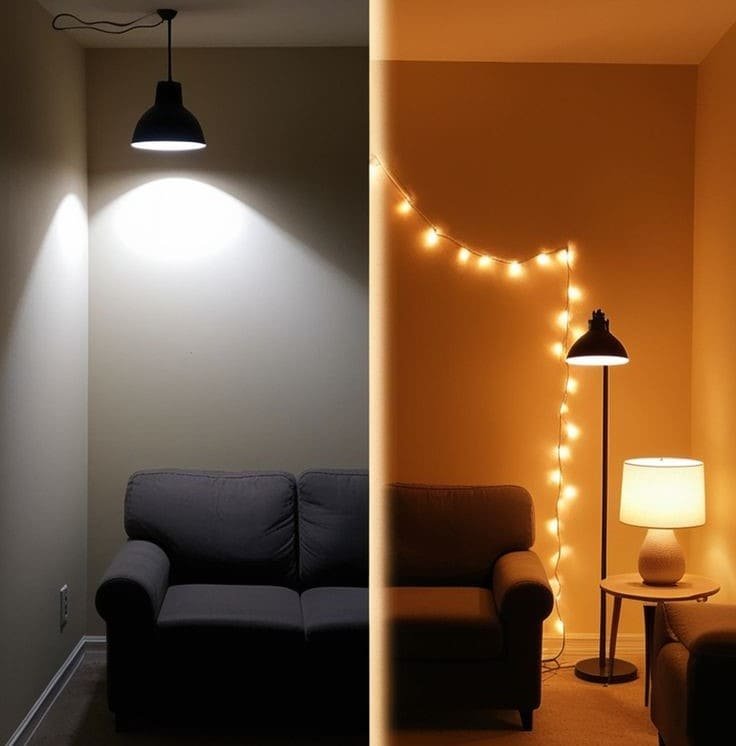
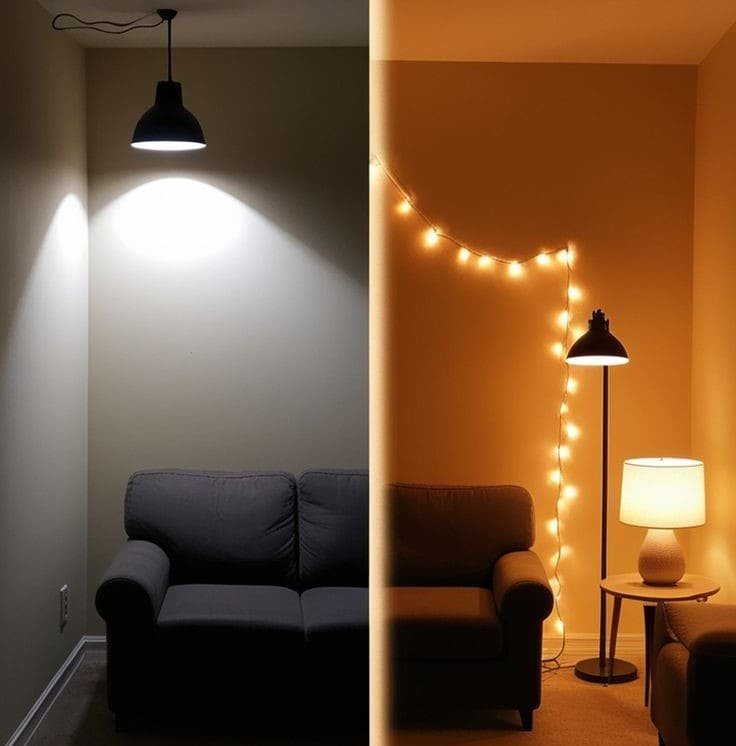
Bright lighting stimulates sympathetic nervous system—the part responsible for attention
and quick reactions. Thus, strong light suits focus-requiring tasks like cooking, reading, or
working. But neuroscience studies indicate constant exposure to this lighting in residential
spaces keeps body in permanent readiness, even during rest.
Conversely, dim lighting stimulates parasympathetic nervous system, responsible for
relaxation and calming. This type reduces heart rate, sending brain signals it’s time to rest.
Thus, dim lighting gets used in bedrooms and relaxation areas.
The problem isn’t which is better, but using one constantly. Interior environment studies
show homes relying on single lighting type cause body circadian rhythm disruption, even if
not immediately apparent.
The human eye doesn’t process light alone, but contrast too. Strong light in shadow-free
space makes mind feel flatness and rigidity. While light zones mixed with calmer areas
create visual depth providing safety feelings. This principle used in architecture since
ancient times, before modern science explained it.
Light color proves no less important than intensity. Strong warm light differs psychologically
from strong cool light. Research confirms cool light stimulates focus but may cause nervous
strain if misused, while warm light maintains calm even at higher intensity.
Modern studies recommend adaptive lighting—light changing with time and activity. This
type mimics nature, giving humans control feeling, key psychological factor for home
comfort.
Ultimately, the question isn’t: Do you prefer dim or bright lighting? But: When do you need
each type?
Psychologically smart homes allow state transitions, not imposing single state all day.