How to choose the style that fits your life, not just your taste?
Kitchen style choice shouldn’t be purely aesthetic—it’s primarily a functional and
psychological decision. Recent residential design studies confirm the kitchen is the space
most influenced by daily lifestyle, not just general taste or passing trends.
The classic kitchen connects in the collective mind to warmth and stability. It relies on
ornate details, natural materials, and warm-leaning colors. Environmental psychology
research shows these elements enhance feelings of security and belonging, making this
style preferred by families spending extended time in the kitchen.
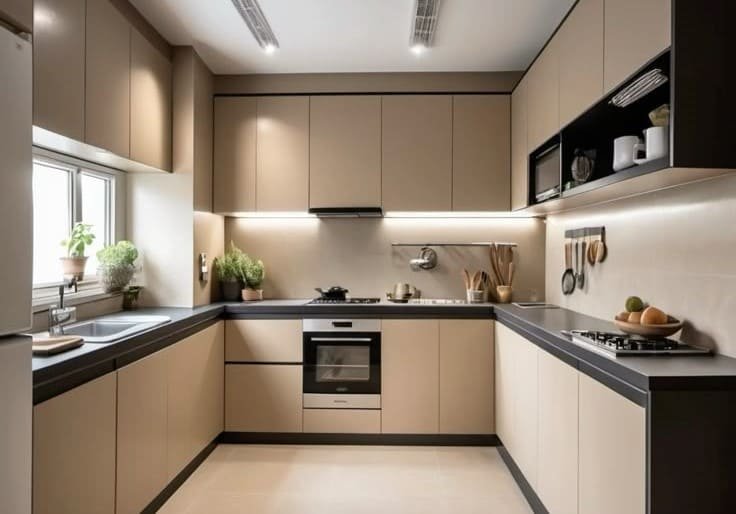
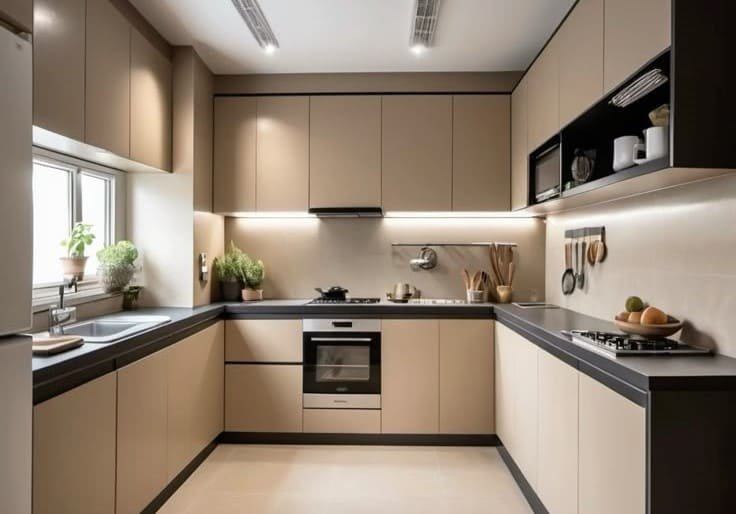
In contrast, the modern kitchen reflects simplicity and practicality. Straight lines, smooth
surfaces, and minimal visual details all aim to reduce mental distraction. Visual perception
studies explain that simple environments aid focus and quick decision-making, suiting fast-
paced lifestyles.
The core difference between the styles lies not just in form, but in usage. Classic kitchens
often accommodate intensive storage, while modern ones focus on hiding elements and
making them less prominent. This directly impacts daily user experience.
Psychologically, people favoring strict order and visual clarity lean toward modern, while
those seeking emotional warmth prefer classic. Personality and design studies reveal a
clear link between personality type and kitchen style choice.
Lighting plays a decisive role in defining the style. Classic relies on warm lighting that
enhances details, while modern uses white or neutral light to highlight lines and visual
purity. Research confirms lighting type affects perceptions of cleanliness and space.
Technology serves as a dividing factor too. Modern kitchens integrate better with smart
appliances and contemporary control systems, while classic can accommodate them but at
higher cost and design complexity.
Economic interior design studies indicate thoughtfully blending both styles has become a
global trend, combining classic warmth with modern functionality for visual and practical
balance.
In the end, the question isn’t: Which is prettier?
It’s: Which serves your day, habits, and way of living?
The ideal kitchen works for you—not one that imposes a lifestyle unlike your own.