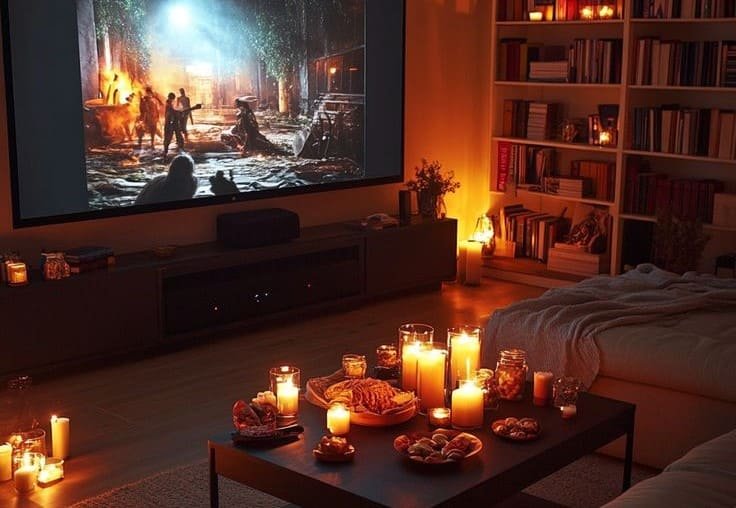
How to create a professional viewing experience without
complexity or high costs?
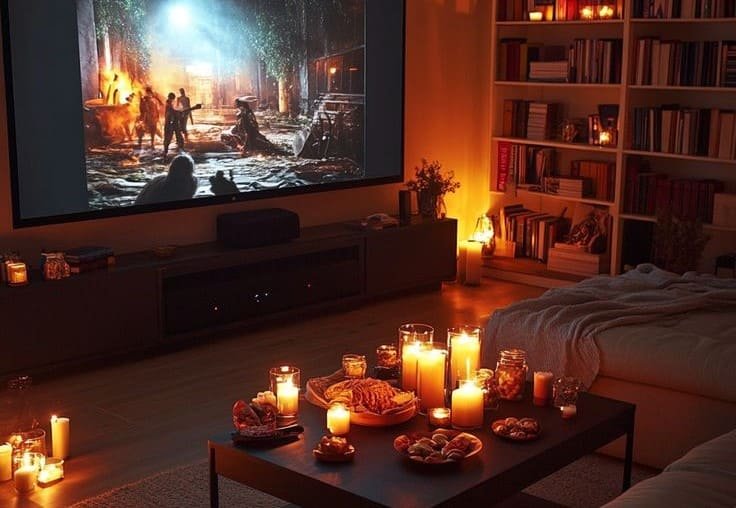
The idea of a home cinema often evokes advanced devices and massive screens, but
sensory perception studies confirm that lighting has the greatest impact on viewing quality.
How light is managed in the room can transform an ordinary screen into an immersive
experience—or ruin the best available technology.
The human eye doesn’t view the screen in isolation from its surroundings. The brain
constantly compares screen brightness to ambient lighting levels. When contrast is
imbalanced, visual strain occurs, leading to quick fatigue and reduced focus. Thus, the
primary goal of home cinema lighting is to minimize this contrast without plunging into total
darkness.
Vision science studies indicate that complete darkness isn’t ideal for prolonged viewing.
Contrary to popular belief, subtle background lighting reduces eye strain and improves
perceived contrast. This is known as bias lighting, a staple in professional cinemas.
The type of light used matters greatly. Dim warm light works best because it doesn’t clash
with screen colors and avoids overstimulating the nervous system. Neuroscientific research
shows cold light during nighttime viewing can unwantedly boost alertness and disrupt later
sleep.
Lighting position is as crucial as its intensity. Direct light facing the eyes or screen ruins the
experience. Applied studies recommend directing light toward walls or floors to create soft,
non-disruptive reflections.
Hidden lighting behind the screen or furniture ranks among the most effective solutions.
This creates visual depth and reduces harsh contrast between the screen and
surroundings. Visual perception science explains that this depth helps the eyes adapt
smoothly.
Colors in the home cinema room play a supporting role. Dark or mid-tone colors absorb
light and minimize unwanted reflections. Studies note that very light walls can bounce light
and degrade image quality.
Even lighting intensity should be adjustable. User control fosters comfort and mastery. User
experience research confirms personalization boosts satisfaction with the space.
Lighting affects not just the image, but the psychological experience. Proper lighting helps
the mind enter a state of focused relaxation—the ideal mindset for enjoying content.
In the end, a successful home cinema doesn’t require complex setups—just an
understanding of how the eye and brain work. When lighting is managed mindfully, any
room becomes a comfortable, immersive viewing space.