A Psychological and Behavioral Reading of Space and
Mind
We often think daily decisions stem solely from internal logic or emotion, but
recent research confirms our surroundings—especially the home—play a subtle
yet pivotal role in shaping choices and behaviors. Home organization isn’t just
aesthetic or tidy—it’s a key influencer on thinking, focus, and even
unconscious decisions.
The home is where we spend most time, becoming an invisible mind
extension. Visual and organizational cues directly impact brain function.
The Brain and Environment: A Reciprocal Relationship
Neuroscience studies show the human brain constantly responds to
environmental stimuli. Every visible element—ordered or chaotic—sends
signals demanding processing.
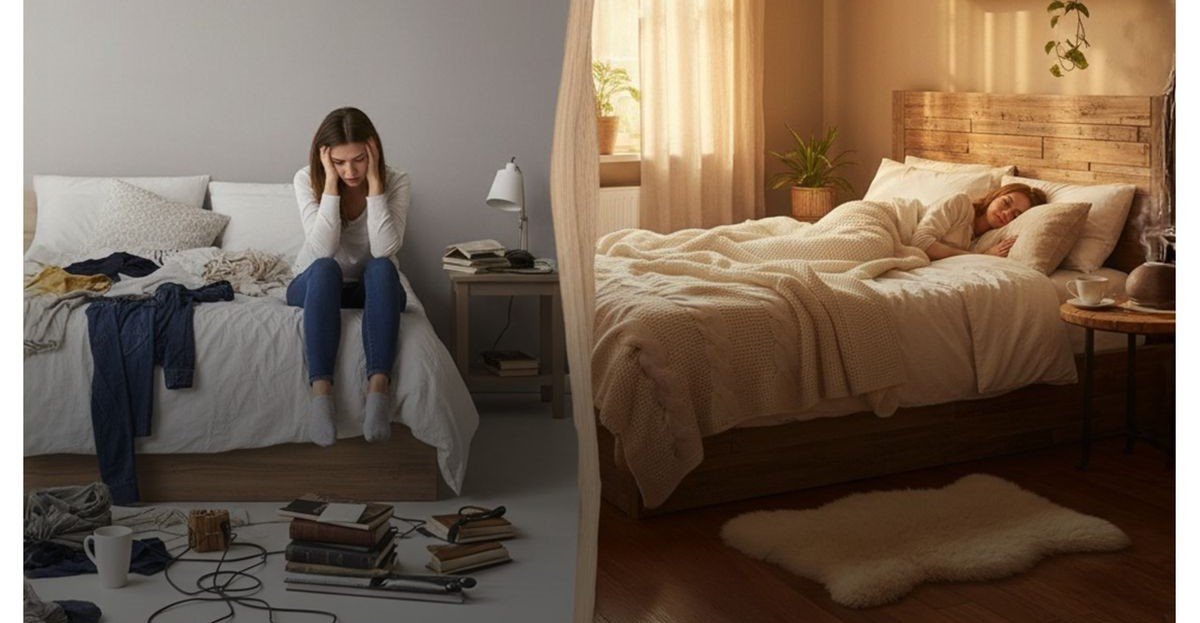
In a disorganized home, the brain must:
•Filter vast information volumes
•Make repeated micro-decisions (“Where to put this? Where’s the lost
item?”)
•Stay in perpetual alertness
This state, termed cognitive load in cognitive psychology, impairs deliberate,
thoughtful decisions.
Home Organization and Reducing “Decision Fatigue”
Behavioral science’s decision fatigue theory posits humans have finite daily
decision energy. Exhausting it on trivia weakens major choices.
In a disorganized home:
•You choose outfits amid chaos
•Hunt endlessly for daily items
•Hesitate starting tasks
In an organized one:
•Micro-decisions drop
•Choices clarify
•The mind frees for priorities
Thus, organization enhances decision quality effortlessly.
Clutter’s Impact on Behavior and Discipline
Behavioral research links cluttered environments to impulsive decisions, like:
•Procrastination
•Overeating
•Routine lapses
Clutter signals “things are out of control,” prompting undisciplined responses.
Organized spaces foster order and control feelings, yielding conscious,
balanced behaviors.
How Home Organization Shapes Health Choices
Organization affects not just thinking but physical decisions. Studies show
organized environments lead people to:
•Choose healthier foods
•Stick better to routines
•Complete tasks more efficiently
By cutting mental noise, it enables long-term beneficial choices over stress-
driven impulses.
Organized Space and Calm Decision-Making
Visual calm from organization directly soothes the nervous system.
Psychological studies find tidy spaces:
•Lower stress hormones
•Speed mental processing
•Boost analytical thinking
This explains clearer minds in organized spots and more balanced decisions.
Home Organization and Emotional Decisions
Even emotional choices shift with space. Clutter heightens:
•Family tensions
•Quick tempers
•Misunderstandings
Organized homes support calm communication, yielding wiser interpersonal
decisions.
Indirect Boost to Self-Confidence
Positive psychology studies link environmental control—even simple—to self-
efficacy feelings.
An organized home makes us feel:
•Capable of life management
•Less helpless or scattered
•More confident in decisions
This extends to work, relationships, and future planning.
Organization as a Tool for Long-Term Decisions
Organized environments aid not just daily trivia but big-picture choices like:
•Financial planning
•Healthy lifestyle development
•Effective time management
An unexhausted mind thinks long-term, not trapped in immediate chaos.
Is Rigid Organization Always Better?
Note: Organization doesn’t mean rigidity. Some studies suggest mild
randomness sparks creativity—but control is key.
A psychologically healthy home is:
•Organized without harshness
•Flexible without chaos
•Tailored to residents’ lives
How to Use Home Organization to Support Decisions
Behavior experts recommend organization that’s:
•Clear and simple
•Aligned with daily habits
•Easy to maintain
The goal: Not perfection, but reduced mental friction aiding decisions.
Home organization transcends form—it’s a profound psychological and
behavioral influencer. Each tidy space lightens the mind’s load; cumulatively,
daily decisions improve markedly.
An organized home doesn’t dictate actions—it frees mental space for better
choices.