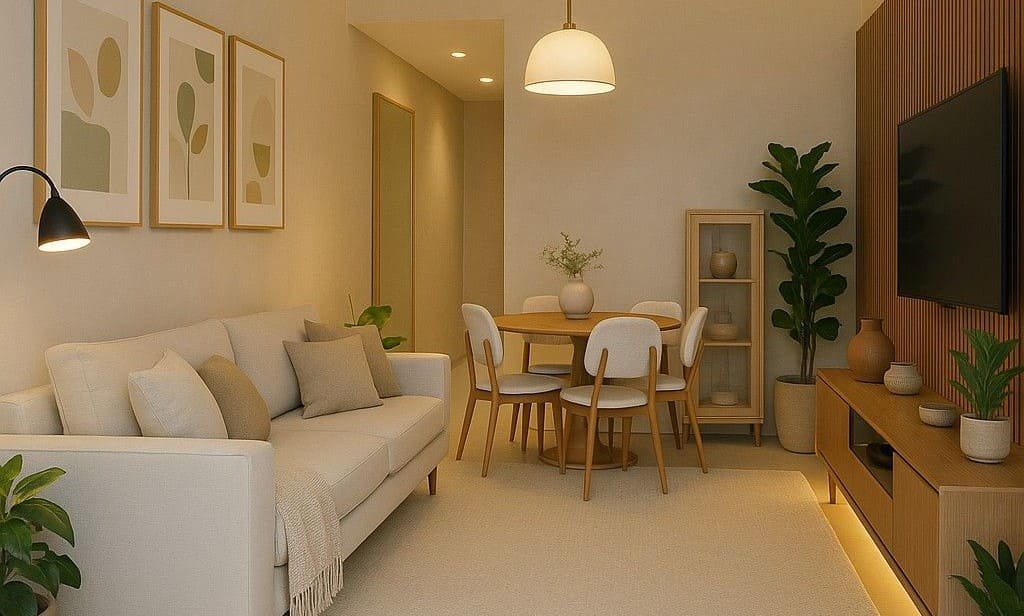
How to Design Limited Space That Feels Free Instead of
Confined?
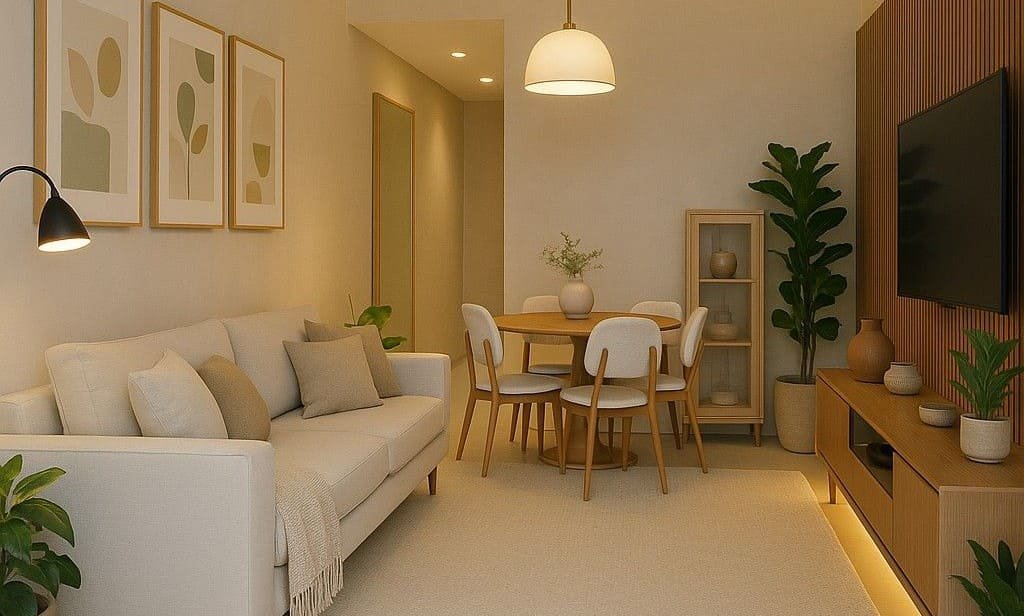
Living in small space doesn’t necessarily mean sacrificing comfort or beauty, but problems
start when managing it with large-space mentality. Behavioral architecture studies confirm
small homes need higher design awareness, as any mistake doubles psychologically and
functionally.
The human mind doesn’t measure space by meters, but by movement and flow feelings.
When people feel movement restricted or space unresponsive, stress emerges even
without clear cause. Thus, first practical solution for small homes is freeing movement, not
filling voids.
Smart design starts by reducing elements, not increasing them. Visual perception research
indicates detail abundance in small space gets interpreted as crowding, even if elements
beautiful. Simplicity here proves not just aesthetic style, but psychological necessity.
Multi-functional furniture ranks among most effective solutions. One piece serving two
functions reduces visible elements, lightening brain’s visual load. Studies show fewer
pieces enhance control feeling—essential for comfort sensation.
Vertical heights often get neglected in small homes. Using walls for storage or display
saves floor space and directs eyes upward, creating spaciousness feeling. Spatial
perception studies confirm vertical gaze direction alters space reading.
Lighting plays decisive role. Poor lighting in small space can make it suffocating, while
thoughtful lighting doubles expansiveness sensation. Distributing light rather than
concentrating in one point reduces harsh shadows creating visual balance.
Light colors aren’t only solution, but effective tool if used consciously. Psychological studies
indicate calm gradations help minds transition visually smoothly, reducing tight-boundary
feelings.
Hidden storage holds key psychological importance. Visible clutter raises stress levels even
unconsciously. Neuroscience research shows brains expend extra energy processing
clutter, leading to constant mental fatigue.
Successful small homes change with users. Flexible spaces transforming by time and
activity give control sensation—key factor in housing satisfaction.
Ultimately, practical solutions for small homes don’t rely on tricks, but understanding the
human living inside. When designed to serve daily life, limited space transforms into
supportive, comfortable environment.