How limited space transforms into a complete living
experience?
Small space doesn’t necessarily mean less comfort or limited options. On the contrary,
recent residential design studies suggest small homes, when managed intelligently, can
offer more efficient and comfortable living experiences than poorly planned large spaces.
Intelligence here isn’t just about technology—it’s about rethinking every centimeter of the
home.
Environmental psychology confirms comfort in the home depends less on actual size and
more on our perception of it. Poorly organized small homes create pressure and stress,
while consciously designed ones foster enclosure and calm.
One key principle in small space design is minimizing visual clutter. Visual perception
studies show the brain interprets scattered elements as crowding, even if space is
practically sufficient. Reducing visible items and choosing multi-functional pieces creates a
sense of expansiveness.
Smart furniture plays a pivotal role in these homes. Foldable pieces, built-in storage, and
movable surfaces aren’t just practical—they’re psychological tools reducing feelings of
restriction. Research indicates flexibility in space use boosts the sense of control, essential
for psychological comfort.
Lighting is indispensable. In small spaces, poor lighting amplifies claustrophobia. Studies
show layered lighting—combining general, directed, and indirect light—visually expands
space perception. Smart lighting that adjusts by time and activity also improves daily
rhythms.
Colors serve a dual role in small homes. Light colors reflect light and enhance
spaciousness, while strategic dark accents add visual depth rather than constriction. Color
science confirms smart contrast matters more than color itself.
Storage poses the biggest challenge in limited spaces. Design studies indicate solutions lie
not in adding cabinets, but optimizing distribution. Vertical storage, corner utilization, and
exploiting hidden spaces like under furniture or behind doors—all backed by optimal space
use research.
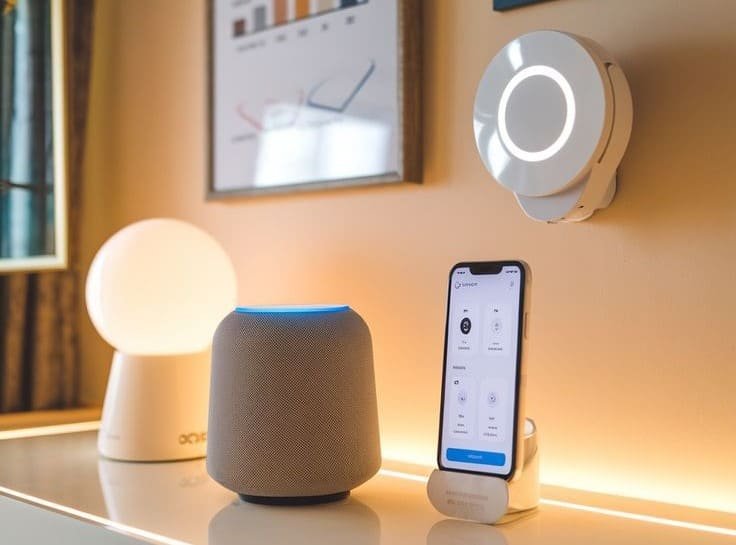
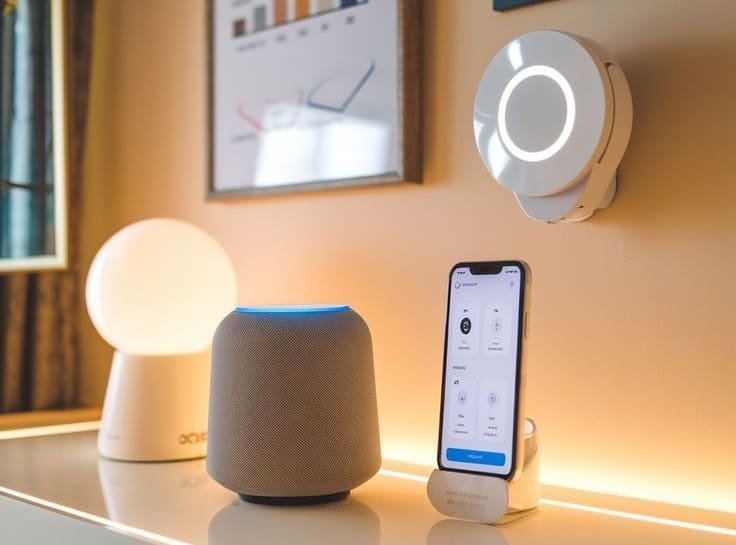
Technology adds a new dimension to small homes. Smart systems controlling lighting,
ventilation, and appliances reduce constant manual intervention. Research shows this
control lowers mental load, especially in spaces requiring precise organization.
Even acoustics matter. Small spaces suffer from echo or noise. Acoustic studies explain
sound-absorbing materials like fabrics and rugs improve living quality and reduce stress.
The smart small home doesn’t sacrifice beauty—it chooses functional beauty, where every
element serves a clear purpose. Modern global designs embrace this concept, viewing
home intelligence as its ability to adapt to residents’ lives.
In the end, a small home becomes smart when understood before equipped. When
decisions build on human behavior, daily movement, and psychological needs, limited
space transforms into a complete environment offering comfort, organization, and efficiency
without needing more square footage.