How to Turn Neglected Spaces into Functional Assets?
In many homes, corners are treated as dead zones, collecting dust or random
items without purpose. Yet, designers emphasize these corners as precious
design opportunities that, when exploited smartly, dramatically boost home
efficiency and overall aesthetics.
Residential design studies show that well-utilized small spaces and corners
reduce clutter feelings, enhancing comfort and control—even in limited areas.
Understanding Corners as Functional Spaces, Not Wasted Voids
Modern interior design views corners not as awkward voids but high-potential
zones. Functional design schools uphold that every home space, no matter
how small, must serve a purpose.
A corner isn’t just two walls meeting—it’s a point that can:
•Add new functionality
•Balance furniture distribution
•Visually break monotony
1. Living Room Corners: Beyond Empty Space
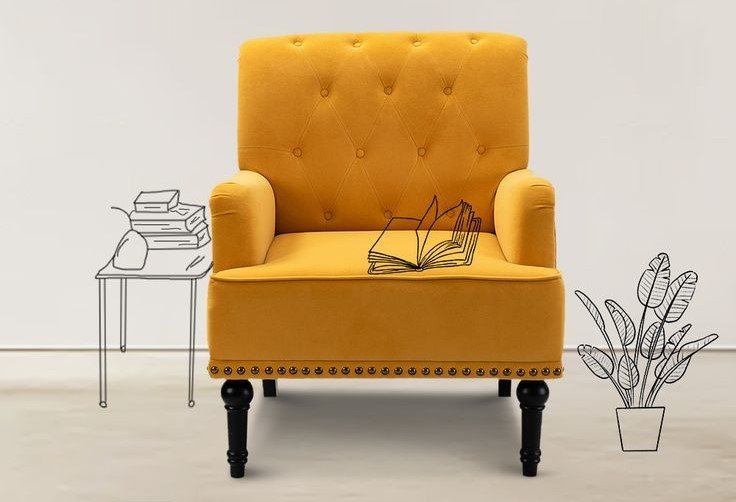
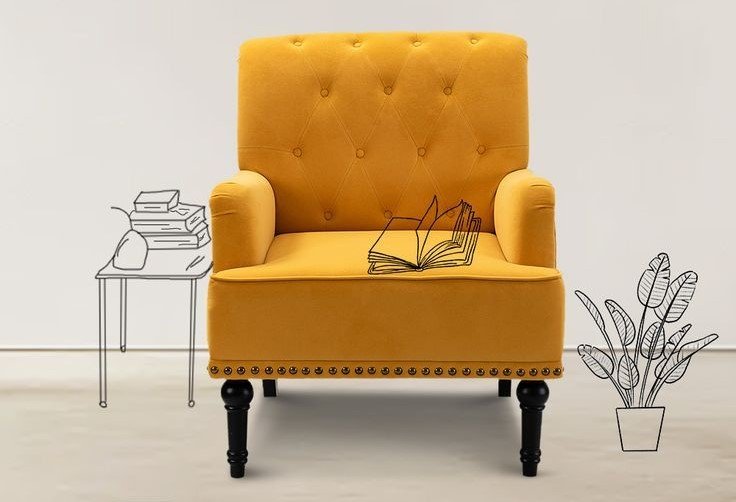
1. Reading or Relaxation Nook
Psychological design theories note that a dedicated calm corner in shared
spaces boosts comfort and balance. Transform a living room corner with a
cozy seat, side lighting, and a simple visual accent.
It requires little space but adds real utility.
2. Smart Display Corner
Corners excel for curated decor displays. Designers recommend vertical units
exploiting height over width, preserving room flow.
2. Kitchen Corners: Unexpected Practical Solutions
Kitchen design studies identify unused corners as major functional waste
sources.
1. Smart Storage Units
Convert kitchen corners into efficient storage with easy-access solutions—no
major renovations needed.
2. Extra Prep Station
Even small kitchens can turn a neglected corner into a light prep or
organization spot, easing main counter congestion.
3. Bedroom Corners: Balancing Function and Serenity
Bedrooms prioritize mental comfort. Sleep studies link visual clutter to poorer
rest.
1. Personal Organization Nook
Use a corner for simple clothing or accessory storage, ensuring it doesn’t
overwhelm the room’s calm.
2. Quiet Work Corner
With remote work rising, bedroom corners suit compact desks—visually
separate from sleep zones.
4. Hallway and Transitional Corners
Hallways often go overlooked despite significant space. Designers say these
areas can become impactful features.
1. Light Storage Corners
Slim storage or hanging units in hallway corners add function without blocking
paths.
2. Visual Interest Corners
Long hallways benefit from display corners or focal points that break boredom,
making transitions enjoyable.
5. Entryway Corners: The First Impression
Behavioral design studies confirm entryways shape overall home perceptions.
Small entry corners can organize and welcome effectively.
Light organizers or greeters here create instant tidiness.
6. Vertical Corners: The Forgotten Space
Think vertically for corners—a key principle. Many homes waste upper heights.
Vertical design theories show wall and corner heights:
•Boost storage capacity
•Reduce floor clutter
•Create spaciousness
7. Lighting’s Role in Highlighting Corners
Even the best corner design fades without lighting. Experts say side or
focused lights turn simple corners into focal points.
Visual perception research reveals light shapes how the mind reads and
emphasizes space functions.
8. Corners and Plants: Life Without Clutter
Plants thrive in corners because they:
•Add vitality without crowding
•Need minimal horizontal space
•Soften harsh wall lines
Studies confirm indoor plants improve air quality and reduce stress.
9. Smart Organization as the Foundation
Smartly used corners start with organization before decor. Poor planning turns
them into visual chaos.
Experts affirm: “A successful corner serves one clear purpose.”
10. Corners as Part of the Home’s Full Story
Corner utilization shouldn’t be random or detached—align with the home’s
overall style, colors, and materials for visual unity.
This cohesion makes homes feel tidier and larger.
Corners aren’t lost spaces—they’re opportunities awaiting discovery. View your
home through a designer’s eyes, understand daily needs, and transform every
corner into a functional, beautiful asset.
A smart home thrives on detail mastery, not sheer size.