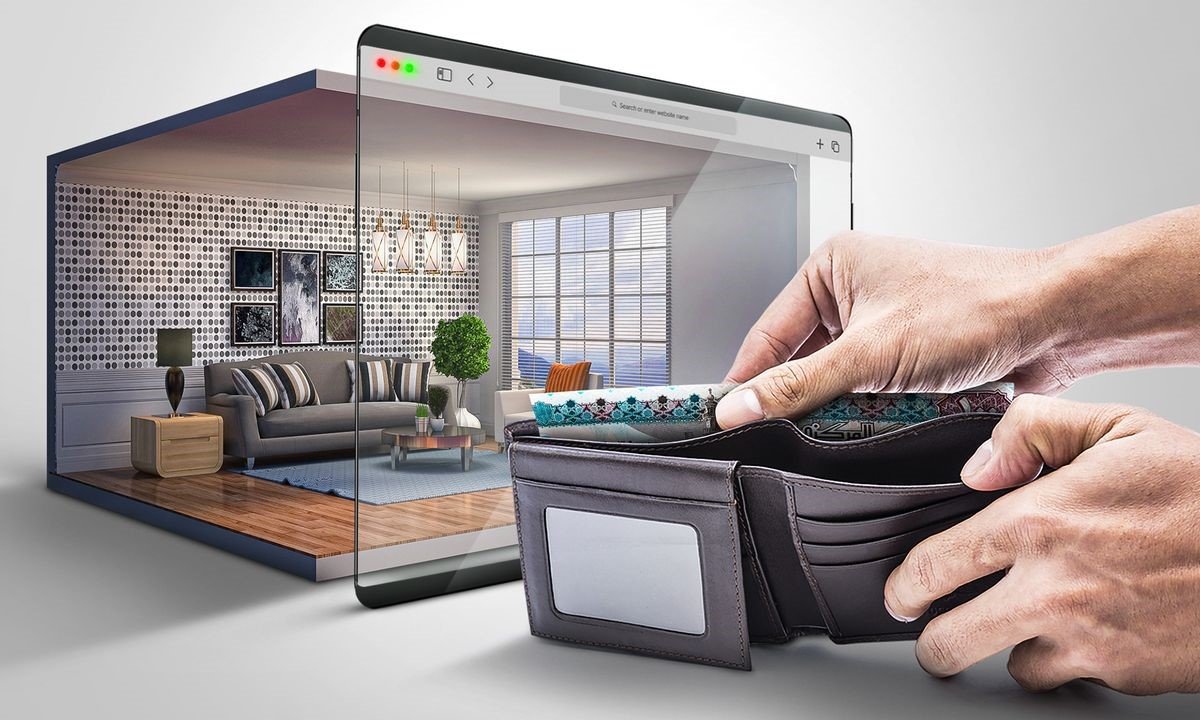
A Silent Experiment That Could Transform Your
Relationship with Home and Self
In a world of inspiring images, shifting trends, and endless sales, decor buying
becomes almost automatic. We add a piece here, swap a color there, forever
chasing the “missing touch” for a better home.
But what if we stopped?
What if we consciously chose no new decor purchases for a full six months?
The decision seems simple, but it’s a profound experiment revealing our ties to
things, living spaces, and ourselves.
Consumer Silence: What Does Stopping Mean?
Pausing decor buys isn’t neglecting your home or rejecting beauty—it’s:
•Halting habit-driven shopping
•Breaking instant-desire cycles
•Giving your mind observation space over addition
Behavioral psychology views this as a “reset” for consumption relationships.
Phase One: The Unsettling Void
In early weeks, unease may arise:
•Urge to change
•Sense of “incompleteness”
•Pull toward ads or decor pics
This is normal—it exposes our reliance on buying for quick control or renewal
feelings.
What Happens When We Don’t Buy?
Closing the purchase option forces the mind to alternatives:
•Rearranging existing items
•Noticing overlooked details
•Asking unasked questions
Here, the real experiment begins.
Seeing Your Home Anew
After pausing, a quiet shift occurs:
We view the home as is, not as we wish.
We notice:
•Truly loved pieces
•Unused items
•Serving vs. disruptive spaces
Constant buying masks issues; addition hides rather than solves.
Pausing Reveals Emotional Buying
Consumer psychology studies show much decor shopping ties to emotions:
•Boredom
•Stress
•Quick-change cravings
•Social comparison
Stopping distinguishes:
•True wants
•From temporary mood fillers
Discovering Your True Taste
Ongoing buying makes taste trendy and fickle.
Pausing lets it settle.
After months, you might find:
•Your style simpler than thought
•Some pieces not truly yours
•Beauty for you means comfort, not quantity
Space Breathes… And So Does Your Mind
Every new piece demands:
•Placement
•Arrangement
•Cleaning
•Decisions
No additions mean fewer daily choices; the mind lightens unexpectedly.
Research links fewer possessions to lower cognitive load and greater calm.
Redefining Beauty
Pausing prompts: Is beauty addition… or arrangement?
Many discover:
•Small voids prettier than extras
•Harmony over abundance
•Comfortable homes need no constant updates
Six Months Changes Your Money View
Unexpected outcomes:
•Greater money value awareness
•Less post-buy regret
•Stronger decision control
Mindful buying eases post-pause, as the mind quits quick-fix seeking.
Does Pausing Mean Stagnation?
Quite the opposite.
It shifts from:
•Quick changes
•To smart evolution
During, you can:
•Optimize furniture layouts
•Repurpose spaces
•Fix over replace
What Happens After Six Months?
Resuming—if you do—differs:
•Slower decisions
•Fewer choices
•Higher quality
•Deeper attachments
Buying becomes choice, not reaction.
A Psychological, Not Just Decor, Experiment
At core, it’s about:
•Patience
•Awareness
•Self-understanding
•Habit-breaking
A chance to rebuild home-space bonds.
Is This for Everyone?
No imposition or magic fix—but revealing.
Even one month shifts perspectives.
Duration matters less than intent and awareness.
What if you stopped buying decor for six months?
You might find your home needed not more pieces, but:
•Deeper understanding
•A bit of silence
•Space to breathe—for you and it together
Sometimes, the best home addition… is stopping additions.