What Do We Feel Before We Understand It?
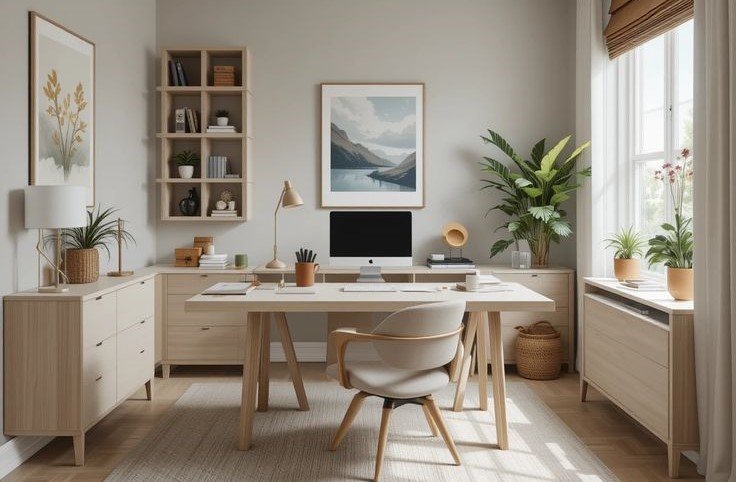
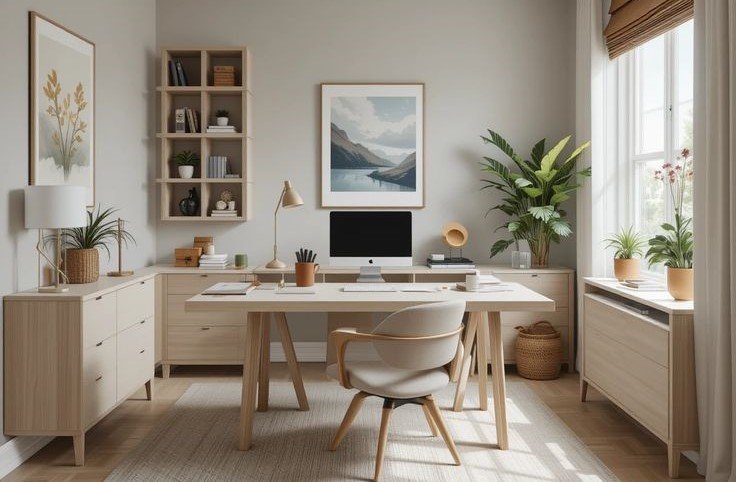
Sometimes we enter a home for the first time and feel instant comfort we can’t
explain. We barely know the owners, spot no standout decor, yet something
invisible happens: We feel calm.
Conversely, we might enter a beautiful, stylish, color-coordinated home and
feel cramped or eager to leave.
This paradox isn’t chance or mere taste—deeper reasons lie in how mind and
body interact with space, before conscious analysis kicks in.
Feeling Precedes Understanding
Environmental psychology confirms we sense spaces before thinking about
them.
The brain captures subtle signals in seconds:
•Light distribution
•Movement ease
•Visual noise levels
•Unspoken safety degrees
These translate to gut feelings—ease or aversion—without pinpointing why.
Invisible Comfort
Comfortable homes rarely shout beauty; they whisper reassurance.
They rely not on showy elements, but hidden harmony between:
•Emptiness and content
•Movement and stillness
•Privacy and openness
Functional designers call them homes that “don’t tax eye or mind.”
The Inner Rhythm of Space
Every home has a unique rhythm, like background music we ignore yet it
shapes mood.
Good rhythm shows in:
•Seamless room transitions
•No sudden obstacles
•Balance of fullness and void
When rhythm aligns, body moves tension-free; mind follows naturally.
Light: The Silent Factor
Light creates comfort unnoticed.
Comfortable homes often use:
•Well-distributed natural light
•Indirect sources
•Soft gradients over harsh points
Neuroscience studies show balanced light regulates biological clocks, reducing
stress subconsciously.
Absence of Visual Noise
Comfort sometimes comes from what’s missing.
Cozy homes avoid:
•Competing details
•Color overload
•Item clutter in view
The human mind rests without forced processing of extras.
Spaces That Know Their Role
In comfortable homes, every area has a clear—even simple—purpose:
Sitting nook, work spot, rest zone.
Unclear roles confuse the mind, breeding instability.
Comfort lies in purposeful clarity, not flawless execution.
Human Scale
A key unexplained comfort source: Architects’ “human scale.”
Cozy homes consider:
•Fitting heights
•Non-oppressive or excessive voids
•Furniture matching body size and motion
When the body senses “designed for me,” it relaxes instinctively.
Homes That Don’t Try to Prove Anything
Draining homes often prove taste, luxury, or perfection.
Comfortable ones don’t impress—they’re honest, natural, unpretentious.
This authenticity yields psychological ease; the mind feels no demand to
engage or judge.
Harmony with Dwellers, Not Trends
Cozy homes follow residents more than fads.
They reflect:
•Lifestyles
•Daily habits
•Personal rhythms
Human-space alignment breeds safety and belonging—core to comfort.
Comfort Doesn’t Mean Perfection
The coziest homes aren’t flawless.
They may have:
•Minor imperfections
•Non-ideal variances
•Asymmetries
But they feel lived-in, not museum-like—human and welcoming.
What We Learn from Comfortable Homes
Comfort stems not from big budgets or luxury design, but:
•Needs awareness
•Psychological rhythm respect
•Mind-tax reduction
•Human-support enhancement
Cozy homes let you be yourself effortlessly.
Some homes comfort without clear reason because true causes are unseen.
They arise from silent harmony of light, space, flow, and human essence.
When homes serve humans, we feel it before understanding.
That’s smart space’s power: Evoking ease… without explanation.