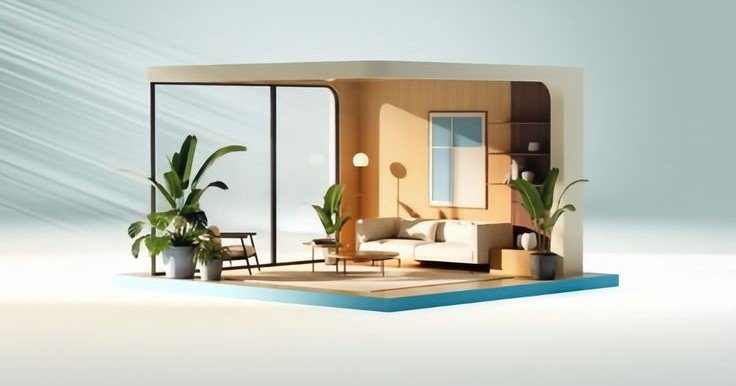
A Psychological Analysis of Space and Its Impact on Our
Emotions
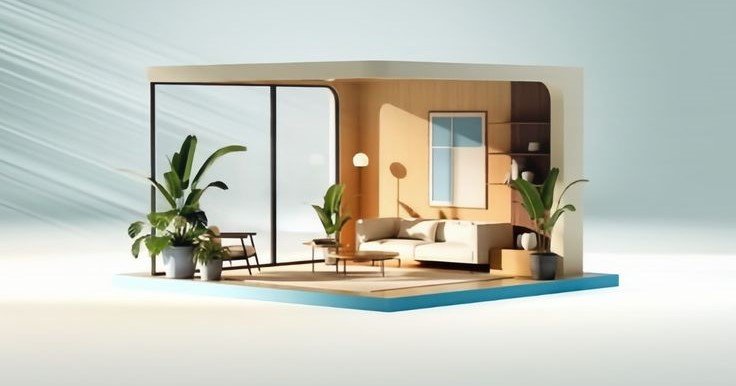
The question may seem odd at first: How can we feel cramped in a beautiful,
stylish, meticulously designed home? Yet this feeling is more common than we
think. Environmental psychology studies reveal that visual beauty alone doesn’t
create psychological comfort—it can even become a source of inner stress if
misaligned with human needs and daily behaviors.
A home isn’t a painting we pass by; it’s where we live, move, rest, and restore
mental balance. When form and function clash, discomfort emerges—even if
the space looks perfect in photos.
Visual Beauty vs. Psychological Comfort
Human-centered design theories affirm that eyes may marvel at beauty, but
body and mind decide true comfort. Many homes follow trendy aesthetics
without user consideration, creating a gap between outward appeal and inner
experience.
Spatial perception research shows spaces demanding mental effort to navigate
raise stress levels, despite visual allure.
Hidden Clutter: When Everything Looks Tidy But Feels Draining
A home may appear organized, but its order might be impractical.
Environmental psychology terms this “cognitive clutter”—visually abundant or
functionally mismatched elements, despite surface neatness.
The mind treats every visible item as a stimulus; more stimuli mean more
mental processing. Thus, detail-heavy spaces can feel cramped, even if tidy
and elegant.
Perfection Pressure: When a Beautiful Home Becomes a Burden
Behavioral studies indicate overly “perfect” environments spark subconscious
stress. A photo-ready home can make residents feel watched or constrained.
This psychological pressure often arises in homes that:
•Lack personal spaces
•Allow no natural daily mess
•Impose rigid behavioral patterns
Psychological comfort stems from safety and freedom, not perfection.
Absence of Personal Identity in the Space
A top reason for discomfort in beautiful homes is missing personal identity.
Spatial psychology schools stress humans need to see themselves in their
living space.
Homes mimicking generic models look lovely but alienate residents, fostering
detachment.
Personal elements—memories, stories, quirks—build belonging and ease
tension.
Lighting’s Invisible Psychological Impact
Lighting plays a deeper psychological role than realized. Neuroscience studies
show harsh or unbalanced lighting affects mood and heightens stress.
Even in beautiful homes, lighting may be:
•Too intense
•Uniform without variety
•Mismatched to time of day
Such imbalances disrupt biological rhythms, causing general unease.
Beautiful Colors… But Psychologically Draining
Not all pretty colors comfort psychologically. Color psychology explains some,
despite appeal, provoke stress or overstimulation if overused or misplaced.
The issue lies in:
•Intensity
•Spread
•Interaction with light and space
Homes need color balance supporting relaxation, not imposing a single mood.
Lack of Transitional Spaces
Spatial design theories highlight transitional areas—zones easing mental shifts
between activity and rest.
In overly open or function-packed homes without psychological buffers, people
lose role separation, leading to exhaustion even in beauty.
Movement Within Space: The Overlooked Factor
Psychological comfort ties to easy flow. Homes hindering movement or
dictating illogical paths create physical tension mirroring mentally.
Motion studies show bodies dislike environments demanding twists or constant
caution.
When the Home Doesn’t Serve Your Lifestyle
A key discomfort source: misalignment with residents’ lives. A beautiful home
ignoring daily needs remains stressful, no matter its elegance.
Successful design starts with understanding:
•How you live
•How you move
•How you rest
How to Turn Beauty into True Comfort
Solutions don’t require overhauls—rebalance beauty and function. Designers
note mindful tweaks yield big psychological shifts.
A psychologically comfortable home:
•Lets you be yourself
•Embraces rather than imposes
•Reflects you, doesn’t showcase
Feeling cramped in a beautiful home isn’t a contradiction—it’s a psychological
signal of human-space mismatch. True home beauty measures not by chic
pieces, but by comfort, safety, and belonging.
A successful home doesn’t just dazzle the eye—it soothes the soul too.