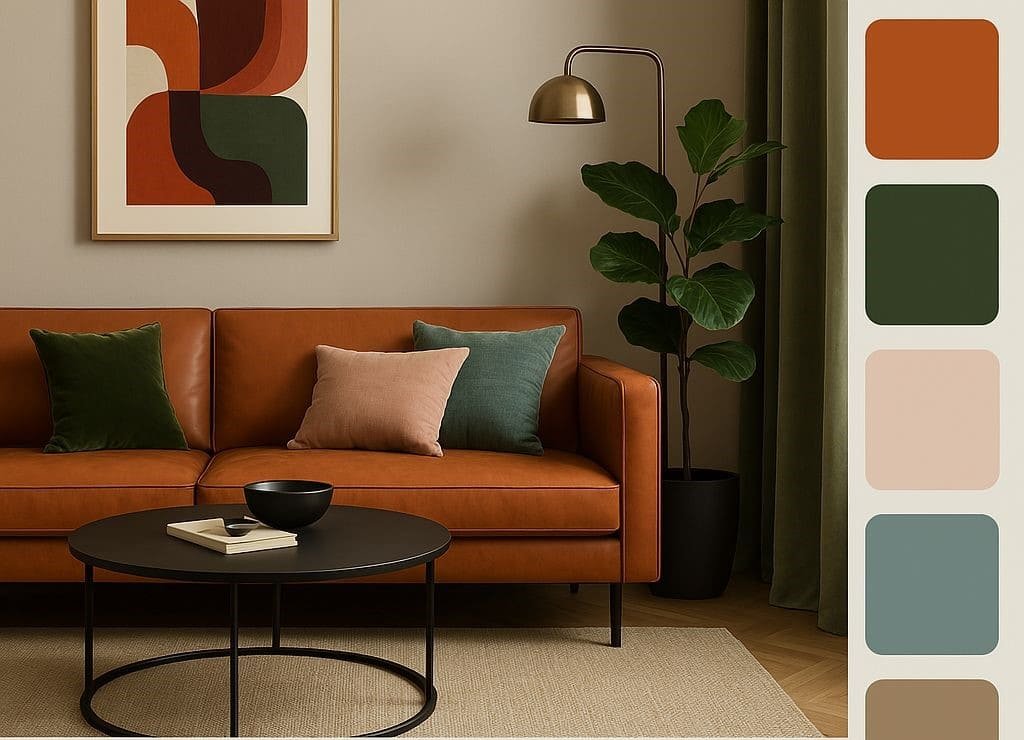
How colors affect your emotions and behavior at home
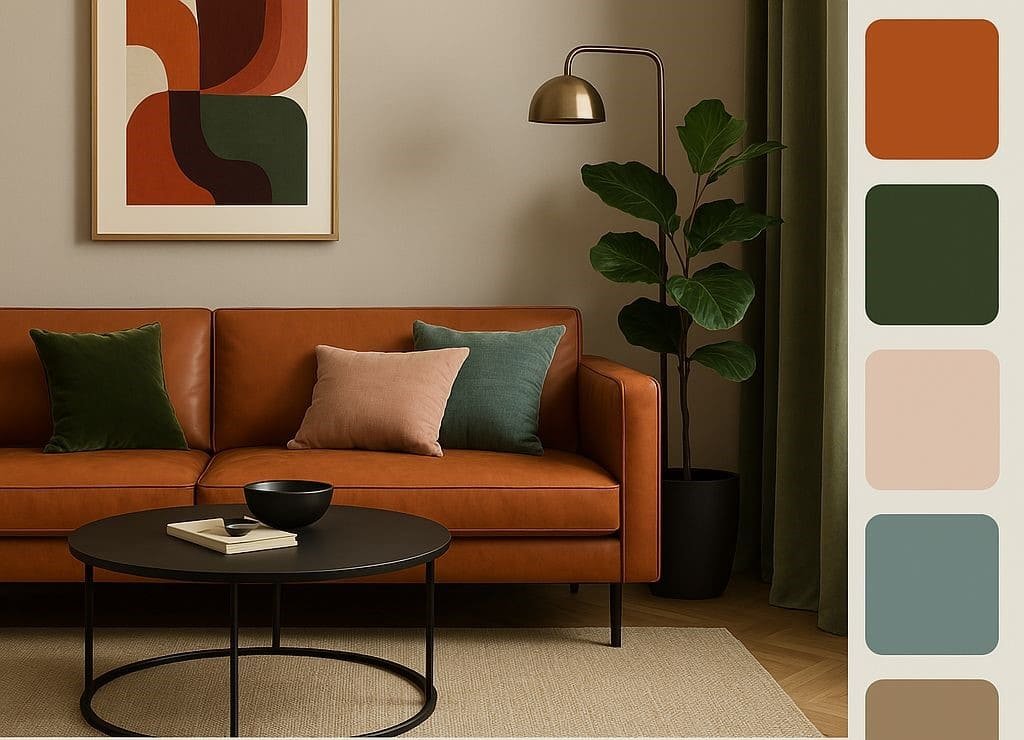
Color psychology isn’t just artistic theory—it’s science backed by psychological and
neuroscientific studies proving colors influence the brain before we’re consciously aware.
When you enter a space, your mind reacts to its colors in fractions of a second, triggering
emotional responses that shape your behavior and mood without you noticing.
The human eye doesn’t just see color—it interprets it through past experiences and neural
wiring. That’s why colors evoke different feelings from person to person, yet studies reveal
general patterns in color responses.
Warm colors like red and orange stimulate the nervous system. Research shows they
increase heart rate and create a sense of energy. They’re used cautiously in living spaces
because overuse can cause stress.
Cool colors like blue and green calm the nervous system. Neuroscientific studies confirm
they reduce stress and support focus and tranquility. That’s why they’re ideal for bedrooms
and relaxation areas.
Neutral colors aren’t impact-free as some believe. Gray and beige carry psychological
associations with stability and calm, but excess can create feelings of coldness or
emotional emptiness. Research emphasizes pairing them with warm elements.
Color also affects space perception. Light colors visually expand areas, while dark ones
create a sense of enclosure. Visual perception science explains this effect depends on
lighting and context.
Culture shapes color interpretation, but biological responses persist. Cross-cultural studies
confirm some color effects are nearly universal, especially regarding calm or stimulation.
Colors influence daily behavior. Behavioral studies show balanced color spaces reduce
stress and improve social interactions at home.
Even color gradients have psychological impact. Smooth transitions between shades relax
the eye and create visual harmony. Harsh contrasts may energize but fatigue over time.
In the end, color psychology is a tool for self-understanding before it’s a design tool. When
you choose colors with psychological awareness, your home becomes a space that
supports your emotions and behavior—not just a silent backdrop to daily life.