How Smart Tools Change Your Relationship with Cooking
The kitchen is one of the spaces with most repeated daily tasks, making it always a
focus for smart tool development. Behavioral studies indicate repeating tasks without
tool improvement leads to “routine fatigue”—unconscious boredom and exhaustion
feeling.
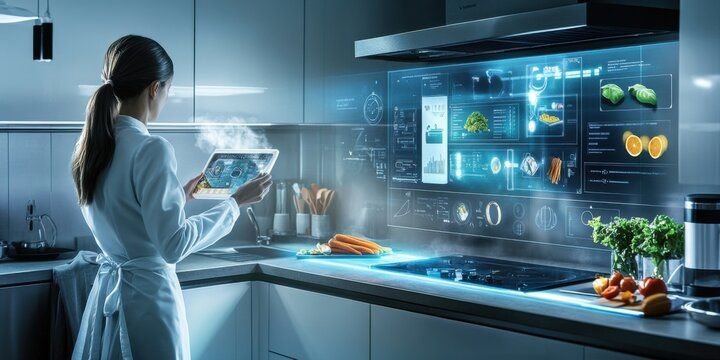
Smart kitchen tools don’t just aim to speed cooking, but improve complete user
experience. Smart appliance control, for example, reduces error probability and
increases safety feeling—key psychological factor especially in heat and energy-
related spaces.
Smart under-cabinet lighting is clear example of this transformation. Studies show
directed lighting improves focus and reduces visual stress during preparation,
making experience more comfortable and less tense.
Even smart storage systems play psychological role. Quick, organized tool access
reduces mental clutter feeling. Research shows visual clutter in home workspaces
raises stress levels even without direct notice.
Smart devices also help reduce wasted time, positively reflecting on satisfaction
feeling. When people feel the kitchen serves them rather than exhausting them, their
relationship with the space and food improves.
The smart kitchen doesn’t mean filling with technologies, but selecting specific tools
making real difference in daily experience.