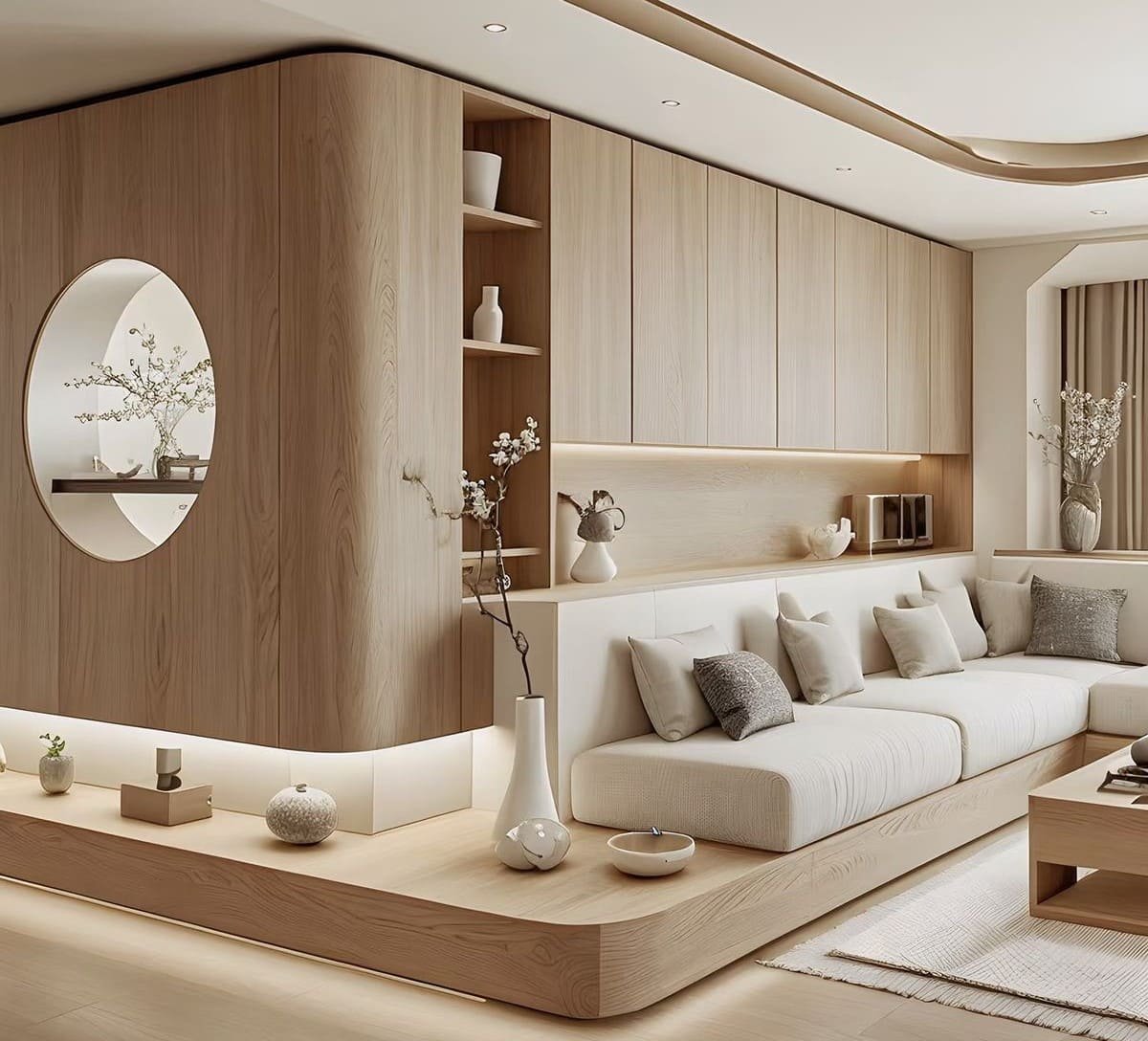
How to Compensate Limited Space with Conscious Design and
Psychological Technology?
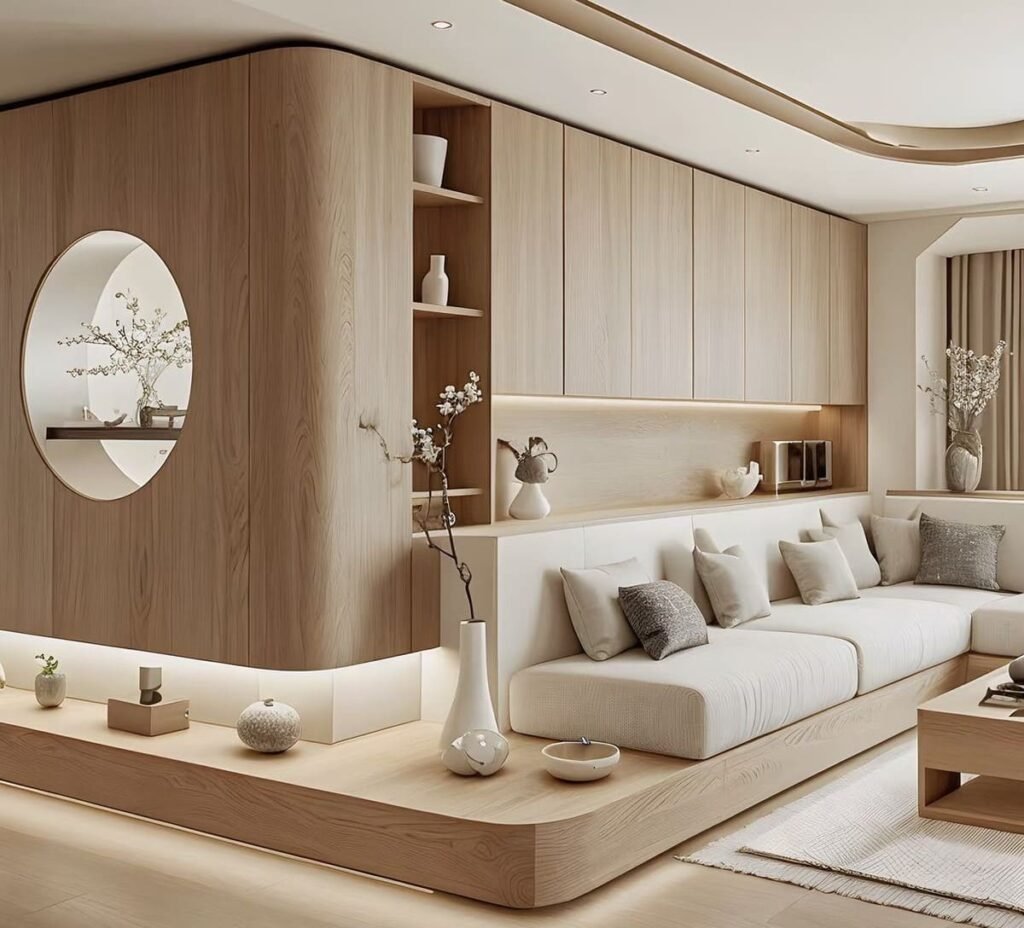
Small spaces became global reality, not exception. Urban expansion and rising housing
costs imposed new living patterns, but modern behavioral architecture studies confirm small
size doesn’t necessarily mean lower life quality.
The real problem in small homes isn’t space, but how it’s handled. The human mind doesn’t
measure comfort by square meters, but by control feeling, organization, and movement
ability. Research shows disorganized small spaces cause more stress than larger but
thoughtful ones.
Smart design starts with understanding real usage. Housing behavior studies reveal many
homes contain unused areas while neglecting daily-needed spaces. Redistributing
functions forms first step to compensate space shortage.
Multi-functional furniture isn’t just practical solution, but psychological one. When pieces
serve multiple roles, crowding feeling decreases. Spatial perception science explains minds
feel relief seeing fewer elements, even if functions remain same.
Lighting plays dual role in small spaces. Natural light enhances spaciousness feeling, while
poorly distributed artificial lighting can make spaces suffocating. Studies confirm vertical
and wall lighting visually expands areas.
Light, neutral colors aren’t just fashion, but cognitive response. Eyes interpret these as
farther distances, creating openness sensation. But research warns against neutral excess
without balancing elements, as it may create psychological coldness.
Smart technology proves pivotal in small homes. Lighting control, smart storage, and built-
in appliances reduce clutter and boost efficiency feelings. Studies indicate simple
automation lowers mental load from space management.
Even storage holds psychological dimension. Hidden, organized storage reduces visual
noise, directly reflecting on mental comfort. Minds prefer spaces that “look” empty even
when filled with hidden functions.
The smart small home works with you, not against you. It’s flexible space changing with
time and activity. This concept supported by flexible design theories viewing residences
must adapt to changing human life.
Ultimately, small space isn’t obstacle, but design awareness test. When managed
intelligently, small home transforms into comfortable, efficient, psychologically supportive
space beyond most imaginations.