
How the Brain Processes Colors and Why Some Spaces Feel
Comfortable While Others Don’t?
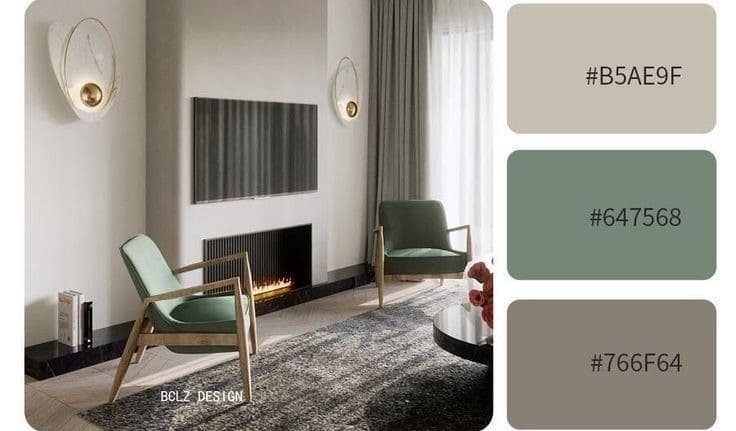
Color coordination in homes relies not just on taste or fashion, but how the human brain
processes colors. Color psychology explains color gets received emotionally before logical
analysis, explaining why some spaces feel comfortable instantly while others create unease
without clear reason.
The human eye doesn’t see color isolated from surroundings. Color changes with light,
adjacent colors, and even space size. Visual perception studies confirm the brain
processes color scenes as single unit, not separate elements. Thus, beautiful color alone
may fail in wrong context.
Base colors in space form psychological backdrop. These affect overall mood
unconsciously. Research shows medium calm colors reduce nervous stress, while bright
colors stimulate attention but prove exhausting for prolonged use.
Color gradation proves essential for harmony. Smooth transitions between shades help
eyes move through space without strain. This principle appears in nature, making natural
landscapes instinctively visually comfortable.
Dark and light colors relate not just to taste, but spatial perception. Light colors reflect light
creating spaciousness feelings, while dark ones absorb it fostering containment sensation.
Architectural studies confirm wise dark use gives space depth, not crampedness.
Lighting dramatically alters color. Daytime warm color may appear cool under artificial light.
Thus, research emphasizes testing color in actual lighting conditions as essential step, not
secondary detail.
Colors affect not just mood, but behavior too. Behavioral studies show calm colors in
bedrooms improve sleep quality, while active colors in social spaces boost interaction.
Common mistake treats each room separately without holistic view. The brain prefers
harmonious color transitions between spaces, as harsh contrast creates cognitive tension.
Successful color coordination doesn’t mean color abundance, but clear relationships
between them. Every color must serve idea, not mere addition.
Ultimately, color speaks unspoken psychological language. When you understand this
language, your home becomes psychologically supportive space rather than draining one.
Color coordination isn’t elite art, but science anyone can learn and apply consciously.
