How Space Arrangement Affects Your Mental State and Quality
of Life?
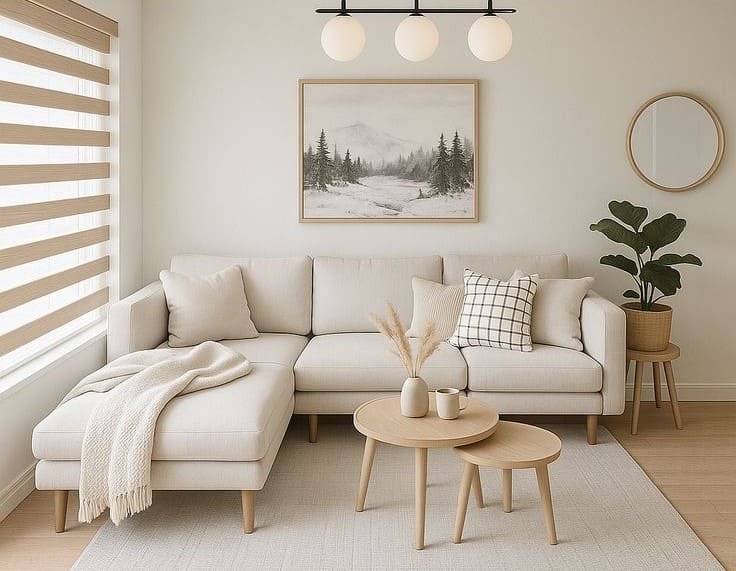
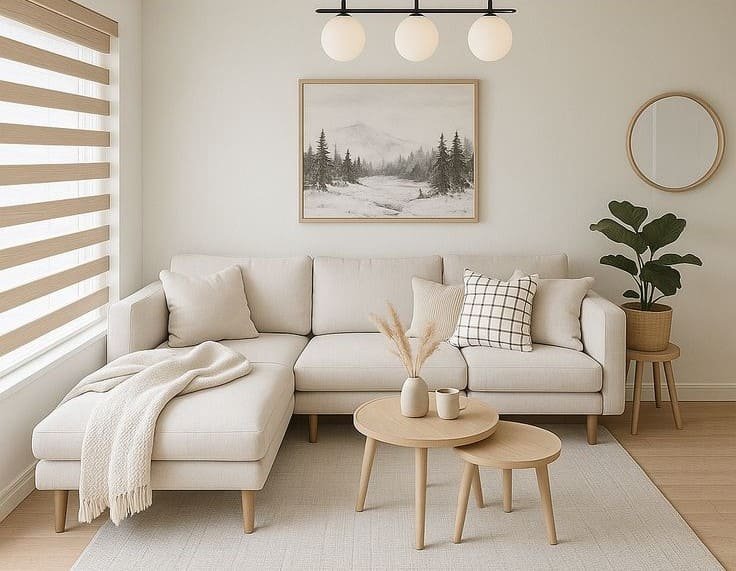
Decor organization isn’t just aesthetic—it’s essential for human mental and psychological
health. Modern environmental psychology studies show disorganized spaces raise stress
levels without direct awareness. Visual clutter translates in the brain as constant noise,
keeping the mind alert even during rest.
Humans interact with living spaces unconsciously. When elements scatter randomly or
illogically, the brain expends extra effort processing the scene. Visual perception research
confirms the mind prefers clear patterns and logical element sequences.
Decor organization doesn’t mean reducing furniture alone, but understanding element
relationships. Every home piece needs functional or visual purpose. Architectural studies
indicate homes prioritizing clear pathways and easy movement create higher comfort
feelings than crowded ones, even if larger.
Psychologically, organization enhances control feelings. Knowing everything’s place
reduces anxiety. Behavioral science studies support this, proving organized environments
lower stress hormone release and boost stability sensations.
Colors and lighting form integral organization parts. Arranging elements with harmonious
colors reduces visual distraction. Color psychology research confirms color coordination
enables “visual rest,” directly reflecting on mood.
Storage proves crucial too. Smart solutions don’t just hide clutter—they redefine space
usage. Studies show vertical, organized storage boosts efficiency and reduces crowding
feelings, especially in small homes.
Decor organization impacts productivity too. Work-from-home research reveals organized
spaces aid focus and better decision-making. Clutter distracts attention and extends task
completion time.
Socially, organized homes create better guest experiences. Guests feel comfortable in
clear, harmonious spaces. Non-verbal communication studies indicate organization reflects
taste and awareness, even without words.
Most importantly, organization is ongoing process, not one-time step. Successful design
enables easy maintenance. When organization grows complex, it fails long-term. Modern
studies thus emphasize good design adapts to user life, not vice versa.
Ultimately, decor organization isn’t luxury or temporary trend—it’s foundation for calmer,
more balanced life. The organized home doesn’t just please the eye—it rests the mind too.