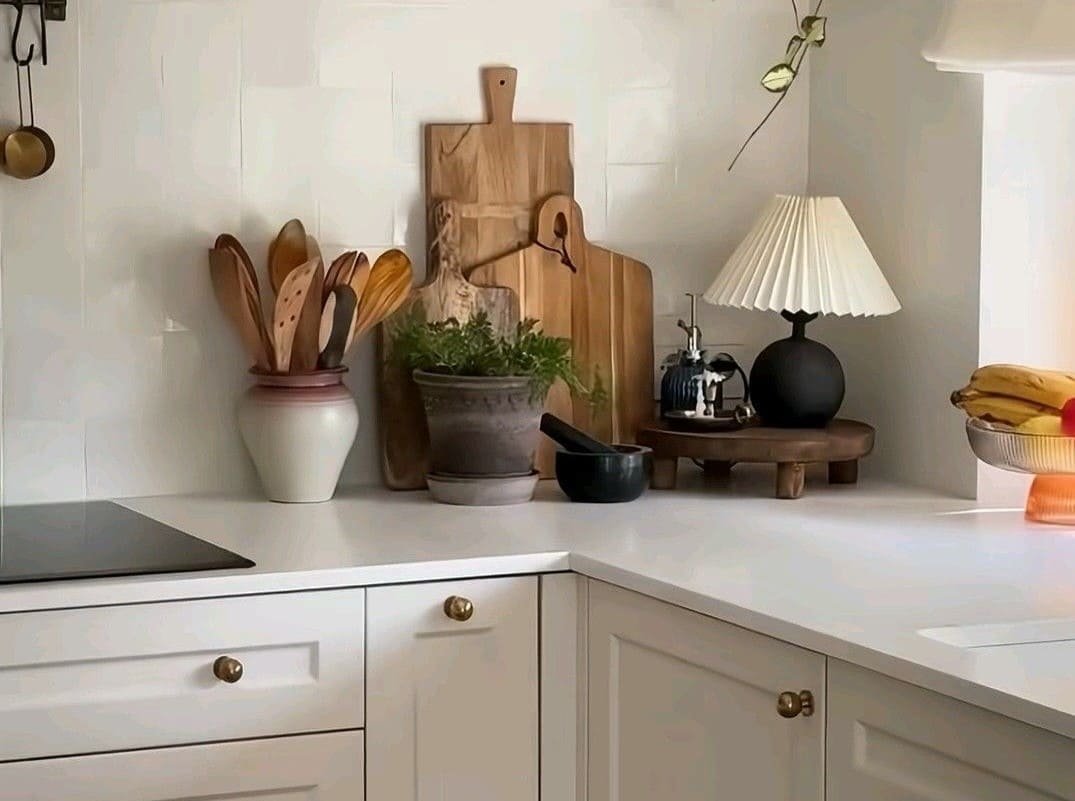
How an Organized Kitchen Affects Your Mental Health and Daily
Behavior?

The kitchen ranks as the home’s most used space, yet it’s the most neglected for
scientific organization. Daily behavior studies indicate disorganized kitchens don’t
just cause visual annoyance—they raise stress levels and affect relationship with
food itself.
The human mind treats the kitchen as repeated decision space: What to eat?
Where’s the tool? Where are ingredients? When these decisions complicate due to
clutter, mental load increases. Cognitive psychology research confirms reducing
small decisions significantly lightens mental fatigue.
Kitchen organization doesn’t mean abundant storage units, but system clarity.
Architectural studies show most comfortable kitchens rely on logical zone division:
preparation, cooking, and washing. This division reduces unnecessary movement
and saves physical energy.
Psychologically, organized kitchens encourage healthy cooking. Behavioral research
reveals people use kitchens more when organized, reducing reliance on ready
meals. Clutter subconsciously discourages cooking desire.
Even tool arrangement impacts. Daily-use tools should stay within reach, while
seasonal ones get stored away. This principle draws from motion efficiency theories
confirming easy access reduces physical and nervous stress.
Lighting forms part of organization too. Good illumination over work surfaces
reduces errors and boosts control feelings. Studies indicate poor kitchen lighting
increases stress sensations during cooking.
The organized kitchen doesn’t just make life easier—it makes it calmer. As daily
production space, conscious organization reflects on entire day quality.