How Knowledge and Technology Changed Our Home Design
Approach?
For a long time, home design was seen as a complex process impossible without specialist
intervention. The interior designer was the mastermind behind every visual and functional
decision in the space. But modern shifts in knowledge, technology, and information
accessibility have radically redefined this concept.
User behavior studies indicate people today are more aware of their needs than ever.
Humans no longer seek just beautiful homes, but spaces reflecting their personality,
routine, and thinking patterns. This shift made design more personal process, not externally
imposed decision.
Modern design science relies on user-centered design principle. This concept, originating in
technology fields, powerfully transferred to interior design. The core idea: the person living
in the space best determines what suits them, provided they have right knowledge tools.
The internet played pivotal role in this transformation. Access to thousands of experiences,
images, and design concepts made knowledge available to all. Educational studies show
visual learning—especially in design—enhances individuals’ ability to make correct
decisions without long academic expertise.
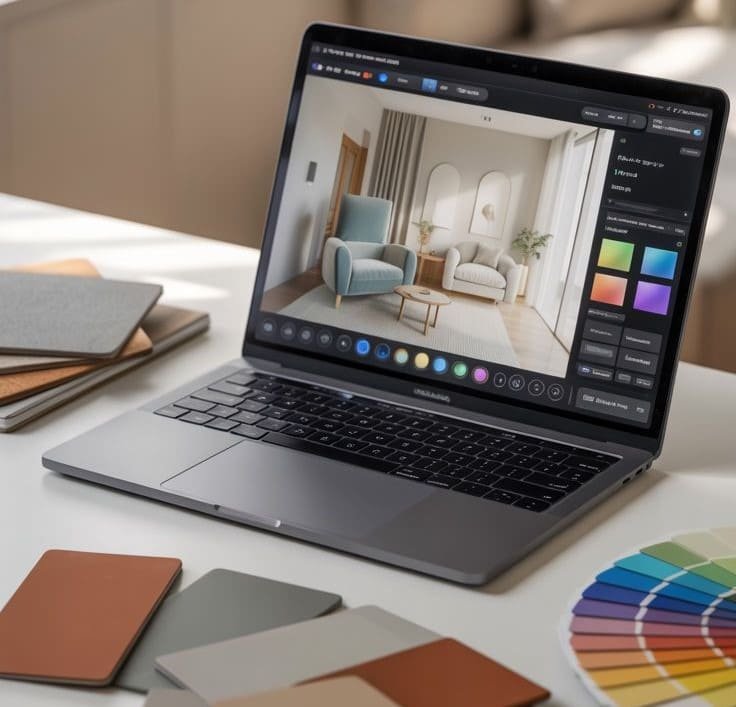
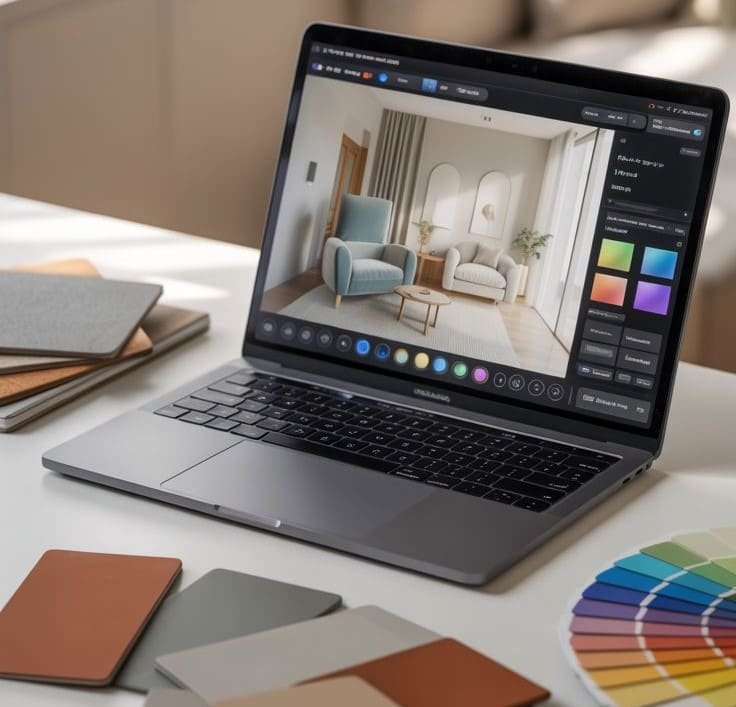
But knowledge alone isn’t enough; here technology steps in. Apps, digital tools, and simple
simulation systems let people test colors, furniture layouts, and lighting before real
implementation. Research indicates reducing surprise element boosts user satisfaction with
final results.
Psychologically, participating in home design enhances belonging feelings. Environmental
psychology studies show people involved in decisions about their personal spaces feel
greater comfort and higher psychological stability compared to those living in designer-only
spaces.
This doesn’t mean completely eliminating specialists, but redefining their role. The interior
designer no longer sole controller, but guide or supporter when needed. Today’s design
resembles dialogue between personal knowledge and professional expertise, not
dependency relationship.
Self-designed homes often prove more realistic. Decisions build on actual usage, not just
visual perfection. Behavioral studies indicate homes reflecting residents’ lifestyles
experience less frustration from design-life mismatch.
Even small self-design mistakes hold educational value. Learning from experience deepens
understanding and sharpens future decisions. Applied learning theories confirm direct
experience trumps instruction.
Ultimately, the idea isn’t you’ll never need an interior designer, but you’re no longer forced to
rely on them completely. Knowledge, awareness, and technology empowered you to
become true partner in designing your space—and perhaps its primary designer.